
Changwon LG Sakers’ Playoff Push and Broadcast Integration

Introduction: A Critical Playoff Match

On April 19, Changwon LG Sakers faced Ulsan Mobis Phoebus in a pivotal Korean Basketball League (KBL) playoff matchup. The game carried weight not only for the standings but also for how fans experienced it. Broadcasts featured interactive scoreboard overlays, real-time chat, and digital engagement tools that transformed the contest into more than a traditional telecast.

This integration illustrates a broader industry trend: KBL broadcasts are evolving into hybrid digital products, where technology is central to sustaining fan attention in competitive playoff environments. For a deeper look at how Changwon’s playoff journey connects to broader broadcast innovation, see Changwon LG Sakers and the Broadcast Ecosystem Shift.

The Playoff Context

Changwon LG Sakers entered the matchup with playoff ambitions, needing a strong performance against Ulsan Mobis Phoebus to solidify their push. The game itself was intense, but equally significant was how it was delivered to audiences.

Fans didn’t just watch; they interacted. The broadcast offered live scoreboards that updated in real time, chat features that allowed fans to comment collectively, and overlays that highlighted player stats instantly. This integration reflects the league’s recognition that modern sports consumption is as much about digital engagement as it is about the game itself.

Broadcast Evolution: From Passive Viewing to Active Participation

  • Real-time chat: Fans exchange reactions, creating a communal digital atmosphere.
  • Interactive overlays: Stats, shot charts, and win probability models appear dynamically.
  • Live scoreboards: Integrated graphics keep fans updated without breaking immersion.

These features are no longer secondary. They are central to how fans engage, especially in playoff contexts where attention spans are fragmented across devices.

Industry Angle: Hybrid Digital Products

The KBL’s integration of interactive features reflects a shift toward hybrid digital products. A broadcast is no longer just a video feed; it is a layered experience combining live action, data visualization, and social interaction.

This mirrors global trends. The NBA has experimented with alternate streams featuring advanced analytics and influencer commentary. FIBA has partnered with Genius Sports to deliver augmented broadcasts (FIBA Broadcast Innovation). The KBL’s adoption of interactive scoreboards and chats shows how Korean basketball is positioning itself within this global movement.

Fan Engagement: Sustaining Attention in Competitive Environments

  • Second-screen culture: Fans multitask but stay within the broadcast ecosystem via integrated chat.
  • Data-driven storytelling: Overlays contextualize plays, showing momentum shifts.
  • Community building: Real-time chat replicates the communal feel of arenas, allowing fans to share emotions instantly.

Educational Lens: How Technology Shapes Consumption

  • Attention economics: Interactive features compete with distractions by offering constant engagement.
  • Behavioral shifts: Younger audiences expect interactivity; static broadcasts feel outdated.
  • Hybrid ecosystems: Consumption blends live attendance, broadcast viewing, and digital highlights.

By studying the KBL’s integration, readers can see how sports leagues adapt to evolving audience expectations.

Case Study: Interactive Scoreboards

The April 19 broadcast highlighted the power of interactive scoreboards. Fans could track not only the score but also advanced metrics like shooting percentages, turnovers, and player efficiency ratings. This transparency enhances understanding, bridging gaps between casual and hardcore fans.

Real-Time Chat: Digital Community in Action

Real-time chat during broadcasts replicates the communal atmosphere of arenas. Fans cheer, debate, and react collectively. The chat democratizes commentary, strengthening loyalty and keeping audiences invested.

Interactive Overlays: Data as Storytelling

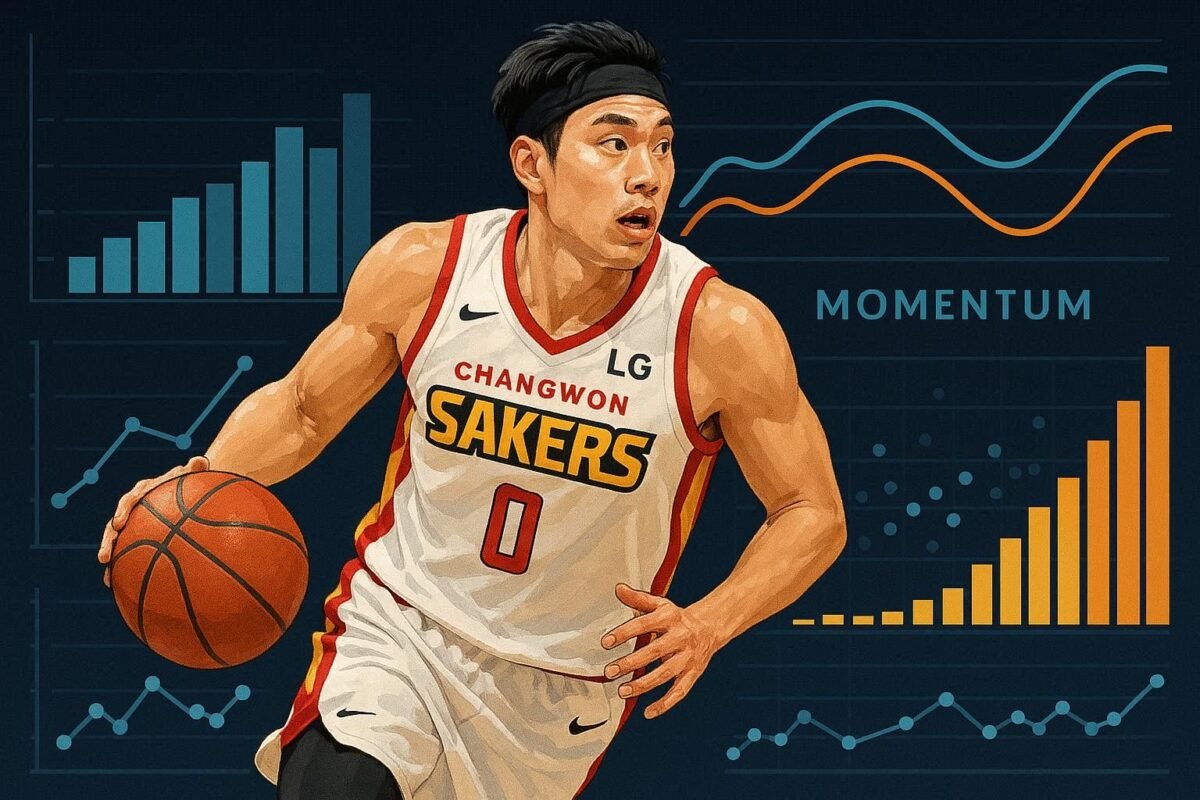
Interactive overlays transform data into storytelling. When a player hits a clutch shot, overlays show his shooting percentage in similar situations. When a team goes on a run, graphics illustrate momentum shifts. This integration educates fans, aligning with the KBL’s goal of deepening basketball literacy.

Industry Implications: Monetization and Reach

  • Monetization: Interactive features create sponsorship opportunities.
  • Global reach: Digital products appeal to international audiences.
  • Data collection: Engagement metrics refine future strategies.

For the KBL, playoff broadcasts are testbeds for innovation, shaping how the league competes in a crowded entertainment market.

Broader Context: Korean Sports Broadcasting

The KBL’s integration reflects broader trends in Korean sports broadcasting. Football and baseball broadcasts have also experimented with interactive features. Korea’s tech-savvy infrastructure makes it fertile ground for innovation. See the KBL Official Site and KT Skylife & Pixellot AI Sports OTT for examples of ongoing digital transformation.

Changwon LG Sakers: Playoff Push Amplified

For Changwon LG Sakers, the playoff push is amplified by broadcast integration. Fans not only watched the game against Ulsan Mobis Phoebus but also participated in it digitally. This dual engagement strengthens loyalty, ensuring that the playoff narrative resonates beyond the court.

Conclusion: The Future of KBL Broadcasting

The April 19 matchup was more than a playoff game. It was a demonstration of how broadcast technology is reshaping sports consumption. Interactive scoreboards, real-time chat, and overlays transformed the broadcast into a hybrid digital product, sustaining fan attention in a competitive environment.

Looking ahead, expect augmented reality, personalized stats, and deeper social interactivity in KBL broadcasts. For fans, this means richer experiences; for the league, sustained relevance in a crowded entertainment landscape.

The Changwon LG Sakers’ playoff push thus becomes a case study in how sports and technology converge — a reminder that in modern basketball, the game is played not only on the court but also on the screen.

How Global Sports Leagues Shape Modern Betting Markets

The structure of modern betting markets did not develop in isolation. Today, the consistency and standardization of these markets have been shaped significantly by the growth and expansion of global sports leagues. As these leagues crossed borders, secured international audiences, and professionalized their operations, betting markets evolved into structures characterized by clarity, scalability, and fairness. Understanding this influence requires looking at how league structures, scheduling, data standardization, and international operations are reflected in the design of betting systems.

Shift from Local Sports to Global Leagues

In the early stages of organized sports, most leagues operated on a local or regional basis. Audiences were limited to local communities, media exposure was scarce, and betting was often informal and fragmented. During this period, market designs featured limited options, low levels of standardization, and practices that varied widely between sports. Because sports themselves were not globally integrated, there was little need for unified market structures.

The situation changed as major leagues expanded internationally. Sports like football, basketball, and tennis transformed from local pastimes into global content. These leagues introduced international broadcasts, worldwide fanbases, cross-border commercial partnerships, and consistent game operations. This shift meant markets could no longer be designed for specific regions alone; they required systems capable of functioning identically across the globe.

Standardized League Structures as Market Blueprints

Global sports leagues maintain highly standardized operational structures, including fixed match durations, consistent scoring rules, established regular seasons and playoff systems, and unified officiating standards. These elements allow market frameworks to be designed with repeatable structures and predictable settlement logic. Without this level of standardization, global scalability would have been difficult to achieve.

Regularity in scheduling also enables the pre-design of market operations. Leagues with clear calendars—such as weekly fixtures or seasonal tournaments—allow template-based structures to emerge. Over time, these templates contributed to the broader standardization of betting markets across different sports, a process explored further in The Process of Betting Market Standardization Across Sports.

Governance, Rules, and Market Reliability

Global leagues invest heavily in governance, rule enforcement, and operational oversight. Definitions for match results, overtime conditions, draw rules, and player eligibility are clearly documented and enforced. This clarity reduces ambiguity during settlement and allows market rules to be applied consistently across jurisdictions.

As leagues strengthened integrity monitoring and disciplinary systems, confidence in match outcomes improved. This reliability supported the expansion of deeper and more complex market structures. Stability at the league level translates directly into stability within market design, reducing uncertainty and operational risk.

Global Broadcasting and Unified Expression

In a global broadcasting environment, audiences across continents watch the same match simultaneously. Market systems had to adapt by adopting unified naming conventions, standardized structures, and consistent definitions. Fragmented or localized market expressions became inefficient in a world where sporting events are consumed globally.

Live broadcasting further influenced system design. Real-time access from multiple regions required synchronized data delivery and continuous updates. As a result, live market structures now closely mirror match timelines, broadcast pacing, and official event markers defined by the leagues themselves.

Data Standardization as a Turning Point

One of the most significant shifts came from the centralization of official league data. Unified data feeds—covering scores, statistics, and in-game events—enabled automated settlement and consistent interpretation of outcomes. Market structures increasingly rely on these standardized data definitions.

The availability of reliable, uniform statistics also enabled expansion beyond simple match outcomes. Totals, interval-based structures, and performance-related markets emerged because league data definitions became consistent across seasons and competitions. This evolution closely followed the operational data frameworks established by global leagues such as FIFA, whose competition standards and data definitions are publicly documented by the Fédération Internationale de Football Association.

Commercialization and the Depth of Markets

The scale and commercial value of global leagues justify more layered and detailed market structures. Larger audiences support expanded depth, including alternative lines and varied timing structures. In many cases, the complexity of market design reflects the economic footprint of the league itself.

At the same time, leagues are highly protective of their brands. This encourages conservative settlement logic, transparent rule definitions, and clear structural boundaries to avoid confusion. Market design maturity often mirrors the professional and commercial maturity of the league.

Cross-Sport Diffusion of Market Design

Structural innovations tested within one global league frequently migrate to others. Concepts such as spreads, totals, and interval-based structures have crossed sports boundaries over time. Global leagues act as proving grounds where new structural ideas are refined before becoming widely adopted.

The Resulting Framework

Modern betting markets are systemic reflections of how global sports leagues operate. They have evolved into organized, predictable structures defined by standardized types, consistent settlement rules, and integrated data systems. As leagues continue to evolve in format, governance, and technology, market design will continue to follow their lead.

Sports-Tech Expo (SPOEX) in Busan: AR and AI Tools for Fan Engagement

Introduction

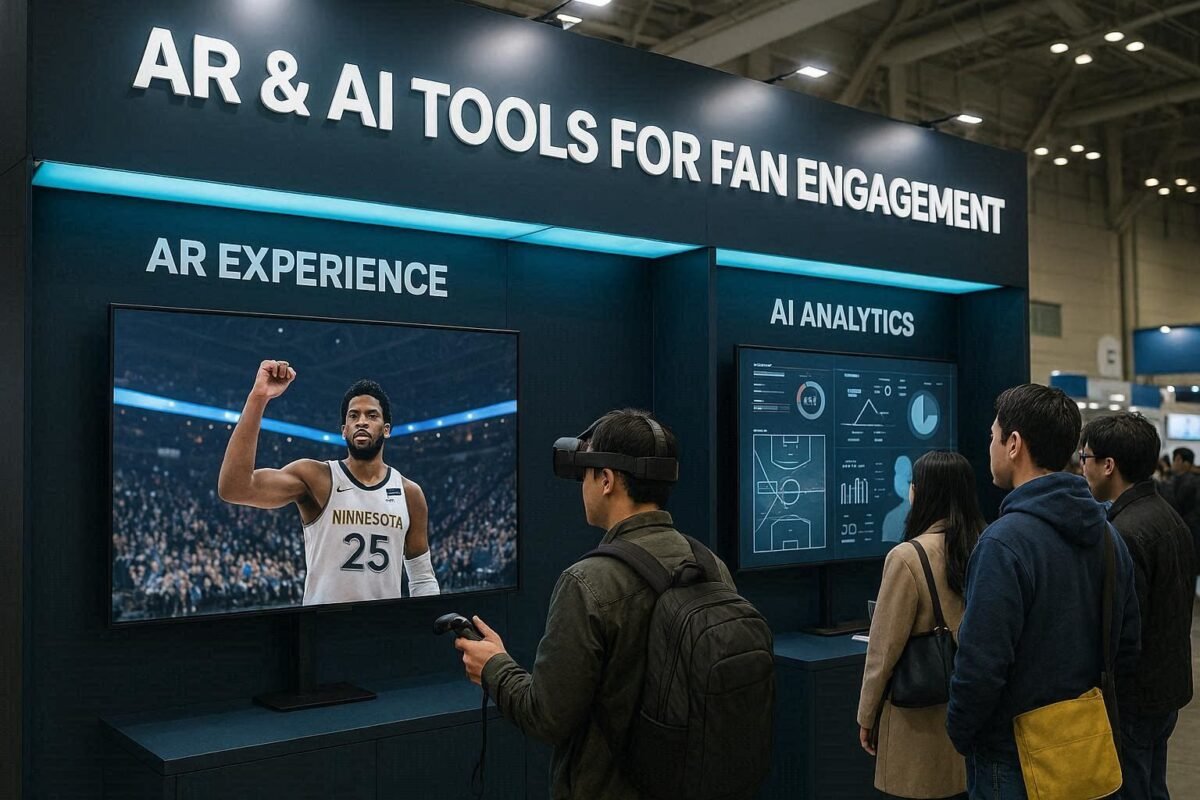
In early 2026, Busan hosted the SPOEX showcase, a major event highlighting the latest innovations in sports technology. The expo drew companies, clubs, and industry observers from across Korea and beyond, eager to see how augmented reality (AR) and artificial intelligence (AI) are reshaping both performance analysis and fan engagement.

The SPOEX 2026 showcase introduced AR training modules, immersive replay technology, and AI-driven fan engagement platforms. Companies demonstrated predictive analytics dashboards designed for both teams and audiences, underscoring how digital tools are transforming the sports ecosystem. Industry observers noted that these tools are increasingly being piloted by clubs in South Gyeongsang, including Changwon-based organizations, positioning the region as a hub for Korea’s evolving digital sports ecosystem. For readers interested in how sports venues themselves are evolving, see sports venues becoming real estate ecosystems.

AR Training Modules: A New Dimension for Athletes

One of the most talked-about innovations at SPOEX 2026 was the introduction of AR training modules. These systems allow athletes to practice in simulated environments that replicate real-game scenarios. By overlaying digital cues onto physical spaces, AR training helps players refine their decision-making, spatial awareness, and tactical execution.

For example, a football player can train with AR overlays that highlight passing lanes or defensive gaps. A baseball pitcher can visualize strike zones with dynamic feedback. These modules are designed not only to improve technical skills but also to accelerate learning by providing immediate, data-driven insights.

Clubs in Changwon have begun piloting these AR systems, integrating them into youth academies and professional training sessions. Coaches report that athletes respond positively to the immersive experience, finding it more engaging than traditional drills.

AI-Driven Fan Engagement Platforms

Beyond athlete training, SPOEX 2026 showcased AI-driven platforms designed to enhance fan engagement. These systems use machine learning to personalize content, predict fan preferences, and create interactive experiences.

For instance, AI dashboards can analyze fan behavior—such as viewing habits, social media interactions, and ticket purchases—to deliver tailored highlights or recommend merchandise. Chatbots powered by natural language processing allow fans to interact with clubs in real time, asking questions about lineups, match statistics, or upcoming events.

The goal is to make fans feel more connected to their teams, transforming passive spectators into active participants. Changwon-based organizations have already begun experimenting with these platforms, using them to deepen relationships with local supporters and expand their reach to global audiences.

Immersive Replay Technology

Another highlight of the expo was immersive replay technology. Unlike traditional replays, which show a fixed camera angle, immersive systems allow fans to experience matches from multiple perspectives, including player viewpoints.

Using AR and VR headsets, fans can relive key moments as if they were on the field. This technology is particularly appealing for younger audiences accustomed to interactive digital experiences. It also offers coaches and analysts new tools for reviewing performance, enabling them to dissect plays from angles previously unavailable.

Industry observers noted that immersive replay technology could redefine how fans consume sports, bridging the gap between live attendance and digital viewing.

Predictive Analytics Dashboards

SPOEX 2026 also introduced predictive analytics dashboards designed for both teams and audiences. These dashboards use AI to forecast outcomes, identify trends, and provide real-time insights.

For teams, predictive analytics can inform tactical decisions, such as when to substitute players or adjust formations. For fans, dashboards offer engaging content, such as win probability graphs or player performance forecasts.

Changwon clubs have begun piloting these dashboards, integrating them into match-day experiences. Fans attending games can access real-time analytics on their mobile devices, enhancing their understanding of the sport and deepening their engagement.

Regional Adoption in South Gyeongsang

Industry observers emphasized that South Gyeongsang, particularly Changwon, is emerging as a leader in adopting sports-tech innovations. Local clubs have embraced AR training, AI fan platforms, and predictive analytics, positioning themselves at the forefront of Korea’s digital sports ecosystem.

This regional adoption reflects broader trends in Korean sports culture, where technology is increasingly seen as a tool for both performance enhancement and fan engagement. By investing in digital tools, Changwon clubs are not only improving their competitiveness but also strengthening their connection with supporters.

The Broader Digital Sports Ecosystem

The innovations showcased at SPOEX 2026 illustrate how sports technology is reshaping the entire ecosystem. Athletes benefit from immersive training tools, coaches gain new analytical insights, and fans enjoy personalized, interactive experiences.

This holistic approach reflects a cultural shift in sports policy and practice. Success is no longer measured solely by wins and losses but also by the quality of engagement and the sustainability of fan communities. Technology provides the infrastructure for this shift, enabling clubs to balance performance with participation.

Challenges and Considerations

While the innovations are promising, challenges remain. AR and AI systems require significant investment, and smaller clubs may struggle to afford them. There are also concerns about data privacy, particularly when AI platforms analyze fan behavior.

Educators and policymakers emphasize the importance of media literacy in this context. Fans must be able to distinguish between credible insights and algorithm-driven sensationalism, ensuring that technology enhances rather than distorts their experience.

Clubs in Changwon are addressing these challenges by partnering with universities and tech companies, creating collaborative frameworks that balance innovation with responsibility.

Global Context

The innovations showcased in Busan align with global trends in sports technology. In Europe, football clubs are experimenting with AR training and AI fan platforms. In the United States, major leagues are investing in immersive replay systems and predictive analytics.

By adopting these tools, Korean clubs position themselves within a global movement toward digital sports ecosystems. Changwon’s embrace of technology demonstrates how regional initiatives can contribute to national and international progress. For example, the International Sports Technology Association has highlighted Korea’s role in advancing AR and AI applications, while FIFA’s innovation program showcases similar global efforts to integrate digital tools into the game.

Conclusion

The SPOEX 2026 showcase in Busan highlighted the transformative potential of AR and AI in sports. From immersive training modules to predictive analytics dashboards, the innovations on display are reshaping how athletes train, how coaches analyze, and how fans engage.

Industry observers noted that clubs in South Gyeongsang, particularly Changwon, are leading the way in adopting these tools. Their efforts position the region as a key player in Korea’s evolving digital sports ecosystem.

For fans, athletes, and industry stakeholders alike, the story of SPOEX 2026 illustrates how technology is not only enhancing performance but also redefining the cultural fabric of sports. As Korea continues to integrate digital tools into its sports landscape, Changwon’s example offers a blueprint for how regional adoption can drive national innovation.

Final Thought: Sports technology is no longer a futuristic concept—it is a present reality. The innovations showcased in Busan demonstrate how AR and AI can transform both the playing field and the stands, ensuring that sports remain dynamic, inclusive, and deeply connected to the digital age.

Changwon LG Sakers and the Broadcast Ecosystem Shift

Introduction

The Changwon LG Sakers’ playoff run has become more than a basketball story—it is a broadcast case study. Local broadcasters reported a surge in multi-platform viewership, with fans consuming highlights across TV, mobile apps, and social media simultaneously. This reflects a broader industry trend: fragmented consumption patterns are forcing broadcasters to adapt rights packages and analytics tools to measure cross-platform engagement. For ChangwonInsider readers, the Sakers’ playoff coverage is a vivid example of how regional teams drive national broadcast innovation.

Regional Teams as Broadcast Catalysts

Historically, broadcast demand in Korea’s basketball ecosystem was concentrated around marquee clubs in Seoul. However, the Sakers’ playoff run demonstrates how regional teams can reshape the landscape. Changwon’s fan base, deeply rooted in local identity, amplified demand across multiple platforms. This surge challenged broadcasters to rethink how rights are distributed and monetized, ensuring that regional enthusiasm translates into national visibility.

Multi-Platform Consumption

Viewership data revealed that fans no longer rely on a single medium. Instead, they consume highlights and live coverage across:

  • Television: Traditional broadcasts remain central, especially for older demographics.
  • Mobile Apps: Younger fans prefer real-time updates and interactive features on mobile platforms.
  • Social Media: Clips, memes, and tactical breakdowns circulate rapidly, extending the life of each game beyond the final buzzer.

This fragmented consumption pattern forces broadcasters to integrate analytics tools that measure engagement across platforms, rather than relying solely on TV ratings.

Analytics and Momentum

Broadcasters are increasingly turning to analytics to understand momentum shifts in games and fan engagement. The Sakers’ playoff run provided a rich dataset for testing these tools. By tracking spikes in social media activity during key plays, broadcasters could align commentary and highlight packages with fan sentiment. This integration of analytics into broadcast strategy reflects a new era of sports media.

For more on the analytics of KBL momentum, see
Changwon LG Sakers and the Analytics of KBL Momentum.

Industry Trends: Fragmentation and Adaptation

The Sakers’ case illustrates a broader industry trend: fragmentation. Audiences are dispersed across platforms, and broadcasters must adapt by:

  • Creating rights packages that include digital and social media distribution.
  • Developing cross-platform metrics to measure engagement holistically.
  • Experimenting with interactive features, such as live polls and fan commentary integration.

This adaptation is not optional—it is essential for survival in a media ecosystem where fans expect seamless access across devices.

Global Comparisons

South Korea’s broadcast ecosystem shift mirrors global trends. In the NBA, multi-platform consumption is the norm, with fans watching games on TV, streaming apps, and engaging on Twitter simultaneously. European football leagues face similar challenges, balancing traditional broadcast rights with digital demand. The Sakers’ playoff surge shows that Korean basketball is part of this global transformation.

External references:

Fan Culture and Broadcast Innovation

Fan culture plays a pivotal role in driving broadcast innovation. Changwon’s supporters are known for their passionate engagement, both in arenas and online. Their demand for multi-platform access pushed broadcasters to experiment with new formats. This symbiotic relationship between fan culture and broadcast strategy underscores the importance of regional identity in shaping national media practices.

Educational Insight: Media Literacy

The Sakers’ playoff coverage also offers educational insights. Fans are learning to navigate fragmented media ecosystems, developing media literacy skills that allow them to critically engage with content across platforms. Broadcasters, in turn, must educate audiences about new features and metrics, fostering a more informed and participatory sports culture.

Challenges Ahead

Despite the opportunities, challenges remain. Broadcasters must balance commercial interests with public access, ensuring that fragmentation does not lead to exclusion. Rights negotiations are complex, and integrating analytics across platforms requires significant investment. Moreover, maintaining narrative coherence across fragmented consumption is a constant struggle.

Conclusion

The Changwon LG Sakers’ playoff run has highlighted how regional basketball clubs can reshape broadcast demand. By driving multi-platform viewership and forcing broadcasters to adapt rights packages and analytics tools, the Sakers have become a case study in broadcast innovation. For ChangwonInsider readers, this story illustrates how local passion can influence national media ecosystems, reflecting broader shifts in Korean sports broadcasting.

Ultimately, the Sakers’ playoff surge is more than a basketball story—it is a broadcast ecosystem shift. As audiences continue to fragment across platforms, broadcasters must adapt, innovate, and embrace analytics to meet the demands of a new era. Regional teams like the Sakers are not just participants in this transformation—they are catalysts, driving the evolution of sports media in Korea and beyond.

Gyeongsangnam-do’s Digital Push for National Sports Festival

Introduction

As the 2026 National Recreational Sports Festival approaches, scheduled for April 23–26, Gyeongsangnam-do has unveiled a comprehensive digital promotion campaign. This initiative includes real-time game results, online tournament brackets, and interactive platforms designed to engage participants and audiences alike. The campaign reflects a broader industry trend: regional governments adopting digital-first strategies to ensure accessibility, transparency, and community engagement in civic sports events.

Festival Context

The National Recreational Sports Festival is one of Korea’s most anticipated events, bringing together athletes, families, and communities from across the nation. Gyeongsangnam-do’s role as host underscores its commitment to innovation and inclusivity. By embedding digital frameworks into the festival, the province aims to enhance the experience for both participants and spectators, ensuring that information flows seamlessly and engagement remains high.

Digital Promotion Campaign

The campaign features several key components:

  • Real-Time Results: Audiences can access live updates on matches and competitions, reducing reliance on traditional broadcast schedules.
  • Online Brackets: Tournament structures are available online, allowing fans to track progress and anticipate matchups.
  • Interactive Platforms: Social media integration and mobile apps provide opportunities for fans to share experiences and connect with athletes.

This digital-first approach ensures that the festival is not confined to physical venues but extends into the digital ecosystem, making participation more inclusive and accessible.

Industry Trend: Digital-First Strategies

Regional governments worldwide are embracing digital-first strategies to modernize sports engagement. By prioritizing accessibility and transparency, these strategies align with global sports media trends. Gyeongsangnam-do’s campaign reflects this shift, positioning the province as a leader in digital civic engagement.

For Changwon, this initiative offers a direct example of how digital engagement frameworks are being embedded into civic sports events. It demonstrates lessons in information ecosystems and user behavior that mirror global practices. Related discussions on how sports venues are evolving into broader ecosystems can be found at
Changwon Insider: Sports Venues Becoming Real Estate Ecosystems.

Educational Insight: Information Ecosystems

The festival’s digital campaign provides valuable educational insights. Information ecosystems thrive when data is accessible, transparent, and interactive. By offering real-time results and online brackets, Gyeongsangnam-do is teaching participants and audiences how to navigate digital platforms responsibly. This mirrors lessons in media literacy, emphasizing the importance of credible sources and user awareness in digital environments.

For students and educators, the campaign serves as a case study in how civic events can foster digital literacy. It highlights the intersection of sports policy, cultural values, and technological innovation, offering a lens into how communities adapt to digital realities.

Global Comparisons

Globally, major sports events have embraced digital-first strategies. The Olympics, FIFA World Cup, and regional tournaments all rely on real-time updates, interactive apps, and social media integration. Gyeongsangnam-do’s campaign aligns with these trends, showing that local initiatives can reflect global best practices.

External references:

Community Engagement

Community engagement is central to the festival’s success. Digital platforms allow families, schools, and local organizations to participate actively, even if they cannot attend in person. Social media campaigns encourage fans to share experiences, while mobile apps provide interactive features such as polls, trivia, and live chats.

By embedding these features, Gyeongsangnam-do ensures that the festival is not only a sporting event but also a cultural celebration that strengthens community bonds.

Transparency and Accessibility

Transparency is a key benefit of digital-first strategies. Real-time updates reduce misinformation and ensure that audiences have access to accurate data. Accessibility is equally important: online platforms allow people from across Korea to engage with the festival, regardless of location or physical ability.

These values reflect broader civic goals, emphasizing inclusivity and fairness in public events. By prioritizing transparency and accessibility, Gyeongsangnam-do sets a standard for future civic initiatives.

Challenges and Opportunities

While the digital campaign offers many benefits, challenges remain. Ensuring cybersecurity, managing data privacy, and maintaining platform credibility are critical concerns. Overexposure to screens and digital fatigue are also risks that must be addressed. However, the opportunities are immense: fostering digital literacy, expanding participation, and positioning Gyeongsangnam-do as a leader in civic innovation.

Intersection of Sports and Civic Identity

The festival reflects Gyeongsangnam-do’s broader identity as a hub of civic innovation. By integrating digital frameworks into sports events, the province reinforces its reputation as forward-thinking and inclusive. The initiative is not just about sports—it is about shaping civic identity through digital engagement.

Conclusion

Gyeongsangnam-do’s digital push for the 2026 National Recreational Sports Festival exemplifies how regional governments are adopting digital-first strategies to engage participants and audiences. By offering real-time results, online brackets, and interactive platforms, the province ensures accessibility and transparency while fostering community engagement.

For Changwon and other regions, the initiative provides lessons in information ecosystems, user behavior, and civic identity. It demonstrates how digital engagement frameworks can be embedded into civic sports events, mirroring global sports media trends. As the festival unfolds, Gyeongsangnam-do’s digital campaign will continue to inspire communities, offering a model for responsible, inclusive, and innovative civic engagement.

AI and Interactive Fan Technology Expanding in Sports

Introduction: A New Era of Sports Technology

April 2026 industry reports highlight a striking transformation in the sports world: artificial intelligence (AI) and interactive fan technologies are reshaping both professional and amateur athletics. From AI-based athlete performance analytics to personalized fan apps and viewing companions, teams and leagues are investing heavily in data-driven engagement tools.

This shift reflects a broader sports business trend: technology ecosystems are no longer peripheral but central to how athletes train, recover, and perform, and how fans consume and interact with the game. For Changwon and the wider Gyeongsangnam-do region, where grassroots sports festivals thrive, these innovations suggest new possibilities for community-level analytics and fan education.

Context: Innovations in April 2026 Reports

Recent reports detail several key innovations:

  • AI Performance Analytics: Algorithms track athlete biometrics, movement efficiency, and fatigue levels, offering coaches real-time insights into training and recovery.
  • Interactive Fan Apps: Platforms allow fans to access live performance metrics, compare athletes, and engage in predictive games during matches.
  • Personalized Viewing Companions: AI-driven assistants tailor broadcasts to individual preferences, highlighting favorite players, offering tactical breakdowns, and even suggesting merchandise.

Together, these tools create a seamless ecosystem where athletes optimize performance and fans experience deeper, more personalized engagement.

Industry Trend: Data-Driven Engagement

The integration of AI and interactive technology reflects several industry-wide trends:

  • Real-Time Metrics: Fans can track speed, stamina, and tactical decisions as they happen, blurring the line between spectator and analyst.
  • Athlete Recovery: AI systems monitor workload and recommend individualized recovery strategies, reducing injury risks and extending careers.
  • Fan Personalization: Viewing companions adapt to fan interests, offering curated highlights and interactive features.
  • Commercial Expansion: Data-driven platforms open new revenue streams through targeted advertising, merchandise integration, and subscription services.

This transformation positions sports not just as events but as continuous, interactive experiences.

Case Study: NC Dinos and Changwon

For Changwon’s NC Dinos, AI and interactive fan technology could redefine the baseball experience. Imagine fans at Changwon NC Park using apps that display real-time pitching velocity, batting analytics, and defensive positioning. Personalized viewing companions could highlight favorite players, while predictive games allow fans to guess outcomes and earn rewards.

On the athlete side, AI-driven analytics could monitor player fatigue, optimize training loads, and enhance recovery protocols. The result is a holistic ecosystem where performance and engagement are intertwined.

Behavioral and Cultural Angle: Fans as Analysts

These innovations reflect changing fan behavior. Audiences increasingly seek immersive, data-rich experiences that go beyond passive viewing.

  • Active Participation: Fans become analysts, interpreting metrics and engaging in tactical debates.
  • Community Interaction: Apps and platforms foster digital communities, where fans share insights and predictions.
  • Cultural Narratives: Data-driven highlights shape how performances are remembered, often emphasizing analytics alongside traditional storytelling.

For Changwon, this means fans at grassroots festivals could access analytics once reserved for professionals, deepening their connection to the sport.

Educational Insight: Why This Matters for Changwon

For ChangwonInsider readers, the rise of AI and interactive fan technology offers a case study in how sports ecosystems intersect with education, community, and cultural identity.

Key insights include:

  • Grassroots Application: Community-level sports festivals could use AI tools to track performance, educate participants, and enhance engagement.
  • Fan Education: Interactive platforms teach fans to interpret metrics, fostering media literacy and analytical skills.
  • Cultural Integration: Technology embeds sports into daily life, reinforcing local identity and pride.
  • Policy Implications: Local governments and sports organizations must consider investment in digital infrastructure to ensure accessibility.

For a deeper look at how Korea is adopting these tools, see AI-Powered Sports Analytics Tools Gain Ground in Korea.

Challenges and Considerations

While the expansion of AI and interactive technology offers opportunities, it also raises challenges:

  • Data Privacy: Athlete and fan data must be protected, with clear policies on usage and consent.
  • Accessibility: Ensuring that technology is available to all fans, not just those with advanced devices, is essential.
  • Over-Commercialization: Balancing engagement with commercial interests is critical to maintaining authenticity.
  • Cultural Adaptation: Integrating technology into grassroots festivals requires sensitivity to local traditions and community values.

For Changwon, careful planning will be required to ensure that technology enhances rather than disrupts community sports culture.

Global Examples: Lessons for Korea

Several international projects illustrate the potential of AI and interactive fan technology:

  • NBA Smart Arenas (USA): Venues equipped with AI-driven analytics and fan apps, offering personalized experiences. NBA Smart Arenas
  • Premier League Digital Platforms (UK): Interactive apps provide fans with real-time stats, tactical breakdowns, and predictive games. Premier League Digital Transformation
  • J.League Innovations (Japan): AI tools monitor player performance while fan apps deliver curated highlights and interactive features. J.League AI-Powered In-App Stories

These examples demonstrate how technology ecosystems can enhance both professional performance and fan engagement.

Broader Implications: Sports as Technology Ecosystems

The expansion of AI and interactive fan technology reflects a broader shift in how sports are conceptualized. They are no longer isolated events but integrated ecosystems that blend performance, engagement, and commerce.

For Korea, this trend aligns with national strategies to position the country as a leader in digital innovation. By investing in sports technology, Korea can strengthen its global cultural footprint while enhancing local community engagement.

Conclusion: Changwon’s Opportunity

AI and interactive fan technology are expanding rapidly, transforming sports into ecosystems that blend performance analytics, fan engagement, and digital innovation. For Changwon, home of the NC Dinos and a hub for grassroots sports festivals, this trend offers an opportunity to reimagine both professional and community-level sports.

By integrating AI-driven analytics and interactive platforms, Changwon could create a sports culture that educates fans, empowers athletes, and strengthens community identity. The stadium becomes not just a site for games but a hub for continuous engagement and learning.

For Changwon readers, the lesson is clear: sports technology is not just about innovation—it is about shaping cultural narratives, driving education, and positioning communities on the global stage. AI and interactive fan tools represent the future of sports, and Changwon has the opportunity to lead that transformation.

Sports Venues Becoming Real Estate Ecosystems

Introduction: Stadiums Beyond the Game

Sports venues are undergoing a profound transformation. Once designed primarily as sites for athletic competition, stadiums are now evolving into multi-purpose real estate ecosystems. Leaders in the industry are shifting from traditional stadium management to mixed-use development, integrating retail, hospitality, and digital engagement platforms into their operations.

This trend reflects a broader sports business revolution: stadiums are no longer just event sites but hubs for continuous engagement, commerce, and cultural identity. For Changwon, home of the NC Dinos baseball team, the implications are significant. Local stadiums could evolve into districts that blend sports, commerce, and digital fan experiences, reshaping how communities interact with their teams.

Context: From Stadiums to Districts

Traditionally, stadiums were designed to host games and occasional concerts. Their economic impact was limited to ticket sales, concessions, and sporadic tourism. Today, venue leaders are reimagining stadiums as anchors for mixed-use districts.

Recent reporting highlights projects where stadiums are surrounded by retail complexes, hotels, restaurants, and entertainment venues. Digital platforms extend engagement beyond game day, offering fans interactive experiences year-round. The stadium becomes the centerpiece of a broader ecosystem, generating continuous revenue and cultural activity.

Industry Trend: Continuous Engagement

The shift toward real estate ecosystems reflects several industry trends:

  • Diversification of Revenue: Teams and venue operators seek income beyond ticket sales, tapping into retail, hospitality, and real estate development.
  • Digital Integration: Platforms for streaming, social media, and fan apps extend engagement beyond physical attendance.
  • Urban Development: Stadiums are positioned as catalysts for regional growth, attracting investment and tourism.
  • Cultural Anchors: Venues serve as symbols of identity, blending sports with lifestyle and community experiences.

This transformation aligns with global practices. In the United States, developments like The Battery Atlanta (home of the Braves) and LA Live (adjacent to the Lakers’ arena) illustrate how stadiums can anchor entertainment districts. In Asia, Tokyo Dome City demonstrates how sports venues can integrate leisure, shopping, and tourism.

Case Study: NC Dinos and Changwon

Changwon’s NC Dinos already enjoy strong local support, with their stadium serving as a focal point for community pride. Yet the potential exists to expand beyond baseball. By integrating retail, dining, and digital platforms, Changwon could transform its stadium into a multi-purpose district.

Imagine a venue where fans attend a game, shop at nearby stores, dine at themed restaurants, and engage with digital platforms offering real-time stats and interactive experiences. Hotels and convention spaces could attract visitors year-round, while esports and cultural festivals diversify programming. The stadium becomes not just a sports site but a lifestyle hub.

Behavioral and Cultural Angle: Fans as Residents

The transformation of stadiums into ecosystems reflects changing fan behavior. Audiences increasingly seek immersive experiences that blend physical and digital engagement.

  • Multi-Platform Consumption: Fans watch games live while interacting on apps and social media.
  • Lifestyle Integration: Stadium districts offer shopping, dining, and entertainment, embedding sports into daily routines.
  • Community Identity: Venues serve as cultural anchors, reinforcing local pride and regional branding.

For Changwon, this means the NC Dinos’ stadium could evolve into a space where fans are not just spectators but participants in a broader cultural ecosystem.

Educational Insight: Why This Matters for Changwon

For readers in Changwon, the trend offers a case study in how sports infrastructure intersects with urban development and cultural identity.

Key insights include:

  • Economic Impact: Mixed-use districts generate continuous revenue, supporting local businesses and tourism.
  • Cultural Value: Stadiums become symbols of identity, blending sports with lifestyle and community engagement.
  • Digital Literacy: Understanding how platforms shape fan behavior is essential for interpreting sports’ cultural impact.
  • Urban Policy: Local governments must balance investment, accessibility, and sustainability in developing stadium districts.

For a deeper look at how digital infrastructure is shaping stadiums and community culture in South Gyeongsang, see Digital Engagement Infrastructure in South Gyeongsang: Smart Stadiums and Community Sports Culture.

Challenges and Considerations

While the transformation offers opportunities, it also raises challenges:

  • Financial Risk: Large-scale development requires significant investment and long-term planning.
  • Accessibility: Ensuring that stadium districts remain inclusive for all citizens is essential.
  • Sustainability: Environmental impact must be considered, with emphasis on green design and energy efficiency.
  • Cultural Balance: Stadiums must serve both commercial interests and community identity, avoiding over-commercialization.

For Changwon, careful planning will be required to ensure that stadium ecosystems benefit both fans and residents.

Global Examples: Lessons for Korea

Several international projects offer lessons:

  • The Battery Atlanta (USA): A mixed-use district anchored by the Braves’ stadium, featuring retail, dining, and residential spaces.
  • LA Live (USA): An entertainment complex adjacent to the Lakers’ arena, integrating hotels, restaurants, and digital platforms.
  • Tokyo Dome City (Japan): A multi-purpose district blending sports, shopping, and cultural attractions.

These examples demonstrate how stadiums can anchor ecosystems that generate continuous engagement and economic growth.

Broader Implications: Sports as Urban Strategy

The evolution of stadiums into ecosystems reflects a broader shift in urban strategy. Sports venues are no longer isolated sites but integrated into city planning. They serve as catalysts for development, attracting investment and shaping cultural identity.

For Korea, this trend aligns with the Ministry of Culture, Sports and Tourism vision of positioning the nation as a cultural superpower. Stadium ecosystems blend sports, commerce, and digital engagement, reinforcing Korea’s global cultural footprint.

Conclusion: Changwon’s Opportunity

Sports venues are becoming real estate ecosystems, transforming from traditional stadiums into multi-purpose districts that blend sports, commerce, and digital engagement. For Changwon, home of the NC Dinos, this trend offers an opportunity to reimagine its stadium as a cultural and economic hub.

By integrating retail, hospitality, and digital platforms, Changwon could create a district that serves fans, residents, and visitors year-round. The stadium becomes not just a site for baseball but a symbol of community identity and urban innovation.

For Changwon readers, the lesson is clear: sports infrastructure is not just about games—it is about shaping cultural narratives, driving economic growth, and positioning cities on the global stage. Stadiums as ecosystems represent the future of sports, and Changwon has the opportunity to lead that transformation.

Digital Engagement Infrastructure in South Gyeongsang: Smart Stadiums and Community Sports Culture

Introduction

South Gyeongsang Province has emerged as a focal point for Korea’s ongoing smart infrastructure projects, with regional reporting highlighting initiatives designed to integrate digital engagement platforms into civic spaces. These projects are not just about upgrading facilities—they represent a broader transformation in how communities interact with sports, culture, and technology.

By emphasizing smart stadiums, public Wi-Fi zones, and integrated digital kiosks, South Gyeongsang is reshaping how fans consume sports content in real time. For Changwon residents, these initiatives demonstrate how local infrastructure investment directly influences sports consumption habits, positioning the city as part of Korea’s evolving digital sports ecosystem.

Background: Smart Infrastructure and Civic Spaces

Urban development in Korea increasingly integrates digital engagement into public infrastructure. In South Gyeongsang, projects include:

  • Smart Stadiums: Venues equipped with high-speed connectivity, interactive screens, and real-time analytics (Korea Herald).
  • Public Wi-Fi Zones: Free, accessible internet in civic spaces, enabling fans to stream games and engage with sports apps (Yonhap News (en.yna.co.kr in Bing)).
  • Digital Kiosks: Interactive kiosks offering ticketing, event information, and fan engagement tools (European Commission Digital Strategy (digital-strategy.ec.europa.eu in Bing)).

These initiatives reflect a broader industry trend: sports engagement is no longer confined to physical attendance. Instead, it extends into digital ecosystems that connect fans, athletes, and communities.

Industry Trend Angle: Sports Media and Technology

1. Smart Stadiums

Smart stadiums are at the heart of South Gyeongsang’s digital infrastructure projects.

  • Features: High-speed Wi-Fi, augmented reality (AR) experiences, and real-time data sharing.
  • Impact: Fans can access live stats, replays, and interactive content during matches.
  • Trend: Stadiums become digital hubs, blending physical attendance with online engagement.

2. Public Wi-Fi Zones

Public Wi-Fi zones extend engagement beyond stadiums.

  • Features: Free internet access in parks, plazas, and civic centers.
  • Impact: Fans can stream games, share highlights, and participate in online discussions.
  • Trend: Sports culture becomes embedded in everyday civic life.

3. Integrated Digital Kiosks

Digital kiosks provide interactive engagement in public spaces.

  • Features: Ticketing, event schedules, and fan polls.
  • Impact: Residents can access sports content and civic information seamlessly.
  • Trend: Kiosks bridge the gap between physical infrastructure and digital ecosystems.

Educational Takeaway: Urban Development Meets Sports Engagement

For readers, South Gyeongsang’s initiatives illustrate how urban development and sports engagement converge:

  1. Infrastructure Shapes Behavior: Smart systems influence how fans consume and interact with sports content.
  2. Digital Ecosystems Extend Engagement: Sports culture permeates civic spaces through Wi-Fi and kiosks.
  3. Community Identity Is Reinforced: Engagement fosters civic pride and cultural belonging.
  4. Media Literacy Is Essential: Residents must navigate digital platforms critically, ensuring credible and safe engagement (OECD Digital Policy).

This case study provides a framework for analyzing how infrastructure projects impact community behavior.

Regional Relevance: Changwon’s Role

Changwon, South Gyeongsang’s largest city, plays a central role in these initiatives.

  • Local Impact: Smart stadiums and public Wi-Fi zones directly influence how Changwon residents consume sports.
  • Civic Identity: Engagement reinforces Changwon’s identity as a hub of sports and technology.
  • Sports Ecosystem: Local teams and fans benefit from enhanced digital infrastructure.

Changwon’s role highlights how local investment in infrastructure shapes broader cultural and technological ecosystems. Coverage of sports analytics and momentum in basketball, such as the Changwon LG Sakers’ performance in the KBL, underscores how digital tools and infrastructure converge to shape fan experiences (Changwon Insider). Similarly, Changwon’s connection to global safety standards in sports technology—like lithium battery regulations—shows how industrial and cultural innovation intersect (Changwon Insider).

Industry and Civic Response

Stakeholders across South Gyeongsang have responded positively to these initiatives:

  • Local Governments: Emphasize the potential of smart infrastructure to boost tourism and civic pride (Korea JoongAng Daily (koreajoongangdaily.joins.com in Bing)).
  • Sports Organizations: Welcome digital platforms that expand fan engagement and participation.
  • Residents: Appreciate accessible, hybrid models that allow flexible participation.
  • Policy Experts: Highlight the need for balanced regulation to ensure safe and credible ecosystems (SCMP).

This diversity of perspectives reflects the complexity of integrating sports and digital culture into urban development.

Comparative Perspective: Global Trends

South Gyeongsang’s initiatives align with global trends in sports engagement:

  • United States: Smart stadiums integrate digital connectivity, enhancing fan experiences (ESPN).
  • Europe: Civic projects emphasize cultural integration, blending sports with digital art and community programming.
  • Asia: Cities like Tokyo and Singapore invest heavily in smart infrastructure, creating hybrid sports ecosystems.

Korea’s initiatives position the country at the forefront of integrating sports, digital culture, and urban development.

Challenges Ahead

Despite progress, challenges remain:

  • Digital Divide: Ensuring equitable access to digital platforms across demographics.
  • Credibility: Safeguarding against misinformation in digital sports ecosystems.
  • Sustainability: Balancing technological innovation with environmental responsibility.
  • Cultural Balance: Integrating tradition with modernity in sports programming.

Addressing these challenges will be critical to sustaining engagement.

Educational Framework for Readers

To analyze South Gyeongsang’s initiatives, readers can apply the following framework:

  1. Infrastructure Readiness: Are facilities equipped with smart systems?
  2. Digital Ecosystem Integration: Do platforms connect physical and digital engagement?
  3. Community Identity: Does engagement reinforce civic pride and cultural belonging?
  4. Behavioral Patterns: How do residents interact with sports content and events?

This framework empowers readers to critically evaluate how urban development shapes sports culture.

Future Outlook

Looking ahead, South Gyeongsang’s digital engagement infrastructure suggests several trajectories:

  • Enhanced Engagement: Digital ecosystems will expand participation across demographics.
  • Civic Identity: Sports will continue to reinforce regional identity and pride.
  • Global Influence: Korea’s model may inspire other countries seeking to integrate sports and digital culture.
  • Local Impact: Cities like Changwon will remain central to shaping regional sports ecosystems.

The success of these initiatives will depend on sustained collaboration between governments, organizations, and communities.

Conclusion

South Gyeongsang’s digital engagement infrastructure highlights the intersection of urban development, digital ecosystems, and sports culture. Projects like smart stadiums, public Wi-Fi zones, and integrated kiosks demonstrate how collaborative infrastructure reshapes community engagement, influencing behavioral patterns and civic identity.

For readers, the case underscores the importance of media literacy and risk awareness in navigating digital sports ecosystems. For Changwon residents, these initiatives provide new frameworks for participating in sports culture, both physically and digitally.

As Korea continues to innovate, South Gyeongsang offers a blueprint for how urban development and digital ecosystems can foster safe, credible, and vibrant sports communities.

Lithium Battery Flight Safety Rules Adopted as Global Standard: Implications for Sports Media and Technology

Introduction

This week, South Korea’s proposal to tighten safety rules on portable lithium battery charging devices was formally adopted as an international standard. The decision marks a significant milestone in global aviation safety, ensuring that portable power banks and charging devices meet stricter requirements when carried aboard flights (ICAO).

While the immediate context is aviation safety, the ripple effects extend far beyond airlines. Portable lithium batteries are essential to modern digital ecosystems, particularly in sports media and technology. From live streaming matches to powering fan engagement apps in stadiums, these devices underpin the infrastructure of contemporary sports culture. The adoption of these rules illustrates how global safety standards intersect with digital sports ecosystems, ensuring reliability for devices used in arenas, stadiums, and mobile broadcasting.

For Changwon, a manufacturing hub in South Gyeongsang Province closely tied to Korea’s electronics industry, the policy shift underscores how industrial regulation and sports technology infrastructure are interconnected.

Background: Lithium Battery Safety Concerns

Lithium batteries have long been a focus of safety regulation due to their potential fire risks. Incidents of overheating, short-circuiting, and even explosions have prompted airlines and regulators to impose restrictions on battery size, watt-hour ratings, and packaging (FAA).

South Korea’s proposal sought to address these risks by tightening standards for portable charging devices, including power banks commonly used by travelers and sports fans. The international adoption of these rules means:

  • Stricter Watt-Hour Limits: Clear thresholds for maximum battery capacity allowed on flights.
  • Enhanced Packaging Standards: Requirements for protective casing and labeling.
  • Mandatory Compliance Testing: Devices must undergo rigorous safety checks before entering markets.

These measures aim to reduce risks while maintaining the convenience of portable power.

Industry Trend Angle: Sports Media and Technology

The adoption of global safety rules directly impacts sports media and technology industries. Portable lithium batteries are indispensable in these contexts:

1. Live Streaming and Mobile Broadcasting

Sports journalists, influencers, and fans rely on portable power banks to stream matches and events.

  • Impact: Stricter safety standards ensure reliability, reducing risks of device failure during broadcasts.
  • Trend: Mobile broadcasting becomes safer and more consistent, enhancing fan trust in digital coverage (SportsPro Media).

2. Fan Engagement Apps

Stadiums and arenas increasingly use apps for ticketing, live stats, and interactive fan experiences.

  • Impact: Fans depend on portable chargers to keep devices powered throughout events.
  • Trend: Safer batteries ensure uninterrupted engagement, reinforcing digital sports ecosystems.

3. Athlete and Team Media

Teams use portable devices for training analytics, social media updates, and fan outreach.

  • Impact: Compliance with safety standards ensures devices are reliable during travel and competition.
  • Trend: Integration of safe, certified batteries into sports workflows strengthens industry resilience.

Educational Takeaway: Safety Standards and Digital Ecosystems

For readers, the adoption of these rules provides a valuable lesson in how global safety standards intersect with digital ecosystems:

  1. Safety Enhances Reliability: Stricter standards reduce risks, ensuring devices function consistently.
  2. Global Standards Create Uniformity: International adoption means fans and professionals can trust devices across borders.
  3. Sports Ecosystems Depend on Infrastructure: Reliable batteries underpin apps, broadcasts, and fan experiences.
  4. Industrial Regulation Shapes Culture: Policies designed for safety ripple into cultural domains like sports engagement.

This case illustrates how technical regulation directly influences community behavior and cultural participation.

Regional Relevance: Changwon and South Gyeongsang

Changwon, a major manufacturing hub in South Gyeongsang Province, plays a central role in Korea’s electronics industry.

  • Manufacturing Impact: Companies in Changwon produce components for batteries and portable devices.
  • Policy Connection: Adoption of global standards reinforces Korea’s leadership in electronics safety (Korea JoongAng Daily (koreajoongangdaily.joins.com in Bing)).
  • Sports Technology Link: Devices manufactured in Changwon are used worldwide in sports broadcasting and fan engagement.

The city’s role highlights how industrial regulation and sports technology infrastructure are interconnected. Changwon’s factories not only produce batteries but also contribute to the reliability of sports ecosystems globally. This connection is echoed in local coverage of sports analytics and momentum in basketball, such as the Changwon LG Sakers’ performance in the KBL (Changwon Insider). Together, these stories show how industrial and cultural innovation converge in Changwon.

Industry and Civic Response

Stakeholders across industries have responded positively to the adoption of global standards:

  • Airlines: Welcome stricter rules that reduce risks of onboard incidents.
  • Manufacturers: Recognize the opportunity to lead in producing compliant, safe devices.
  • Sports Media Companies: Appreciate the reliability of certified batteries for live coverage.
  • Fans: Benefit from safer, more dependable devices during events.

This collective response underscores the broad relevance of technical regulation.

Comparative Perspective: Global Trends

South Korea’s leadership in proposing these rules aligns with global trends:

  • United States: The FAA imposes strict limits on lithium battery capacity for flights.
  • Europe: The EU emphasizes harmonized safety standards across member states (European Commission).
  • Asia: Countries like Japan and Singapore adopt rigorous testing protocols for portable devices (SCMP).

The international adoption of Korea’s proposal positions the country as a leader in shaping global safety standards, with direct implications for sports technology.

Challenges Ahead

Despite progress, challenges remain:

  • Compliance Costs: Manufacturers must invest in testing and certification.
  • Consumer Awareness: Fans and travelers must understand new rules and device limits.
  • Innovation Balance: Regulation must protect safety without stifling technological innovation.
  • Global Enforcement: Ensuring consistent enforcement across jurisdictions is complex.

Addressing these challenges will be critical to sustaining safe and reliable ecosystems.

Educational Framework for Readers

To analyze the significance of these rules, readers can apply the following framework:

  1. Identify Stakeholders: Regulators, manufacturers, airlines, sports media companies, fans.
  2. Understand Goals: Safety, reliability, global uniformity.
  3. Evaluate Tools: Watt-hour limits, packaging standards, compliance testing.
  4. Assess Impact: How do rules influence sports broadcasting, fan engagement, and community behavior?

This framework empowers readers to critically engage with the intersection of safety regulation and cultural ecosystems.

Future Outlook

Looking ahead, the adoption of global lithium battery safety rules will shape industries in several ways:

  • Enhanced Reliability: Devices used in sports broadcasting and fan engagement will be safer and more consistent.
  • Industrial Leadership: Korea, and cities like Changwon, will strengthen their role in global electronics manufacturing.
  • Cultural Integration: Fans worldwide will benefit from safer devices, reinforcing trust in digital sports ecosystems.
  • Global Influence: Korea’s leadership may inspire further proposals linking industrial regulation with cultural infrastructure.

The success of these rules will depend on effective enforcement, industry cooperation, and consumer awareness.

Conclusion

The adoption of South Korea’s proposal to tighten lithium battery safety rules as a global standard marks a pivotal moment in aviation and technology regulation. While designed for flight safety, the rules have far-reaching implications for sports media and technology industries, where portable devices are essential for broadcasting, fan engagement, and cultural participation.

For readers, the case illustrates how global safety standards intersect with digital ecosystems, ensuring reliability for devices used in stadiums, arenas, and mobile broadcasting. For Changwon, the policy shift underscores how industrial regulation and sports technology infrastructure are interconnected, reinforcing Korea’s leadership in both manufacturing and cultural innovation.

As sports and digital culture continue to evolve, the integration of global safety standards ensures that the devices powering these ecosystems remain safe, reliable, and universally trusted.

Changwon LG Sakers and the Analytics of KBL Momentum

Introduction

The Changwon LG Sakers have emerged as one of the most compelling stories in the 2026 Korean Basketball League (KBL) season. With consecutive wins against Seoul Samsung and Korea Gas Corporation, followed by a narrow loss to perennial powerhouse Anyang KGC, the Sakers have demonstrated both resilience and tactical sophistication. Their campaign is not simply about talent or tradition; it is about how analytics are reshaping Korean basketball.

This article explores how data-driven scouting, pace-adjusted efficiency metrics, and lineup analytics are influencing the Sakers’ success, while also highlighting the broader industry trend of analytics integration in Korean basketball. For Changwon, the team’s performance embodies how sports technology and data are transforming both local fan culture and national league dynamics.

Context: The Sakers’ Strong Campaign

The Sakers’ recent victories underscore their ability to compete at the highest level. Against Seoul Samsung, they showcased disciplined defense and efficient shot selection. Their win over Korea Gas Corporation highlighted their depth, with bench players contributing meaningfully. Even in their narrow loss to Anyang KGC, the Sakers demonstrated that they can challenge elite teams, pushing the game into a tactical battle decided by slim margins.

These performances are not coincidental. They reflect a deliberate embrace of analytics, where coaching decisions are informed by data rather than intuition alone.

Industry Trend Angle: Data-Driven Scouting and Rotation

Basketball has always been a game of matchups, but modern analytics allow teams to quantify those matchups with precision.

  • Scouting: The Sakers use data to identify opponent tendencies, such as shot distribution, defensive rotations, and pace of play.
  • Rotation strategies: Player minutes are managed based on efficiency metrics, ensuring that lineups maximize offensive and defensive balance.
  • In-game adjustments: Coaches rely on real-time data to adjust rotations, exploiting mismatches and minimizing fatigue.

This data-driven approach reflects a broader industry trend: analytics are no longer supplementary but central to coaching philosophy.

Pace-Adjusted Efficiency Metrics

One of the most significant analytical tools in basketball is pace-adjusted efficiency.

  • Definition: Efficiency metrics measure performance per possession, rather than raw totals.
  • Application: The Sakers evaluate offensive and defensive efficiency relative to pace, ensuring that their performance is contextualized.
  • Impact: By focusing on efficiency, the Sakers avoid being misled by high-scoring games that may mask defensive weaknesses or low-possession games that exaggerate efficiency.

For readers unfamiliar with pace-adjusted metrics, Basketball Reference offers accessible breakdowns of efficiency statistics widely used in professional basketball.

Advanced Metrics: Offensive Ratings and Lineup Plus-Minus

Two advanced metrics have become central to the Sakers’ evaluation of success:

  1. Offensive Efficiency Ratings
    • Measures points scored per 100 possessions.
    • Highlights which lineups generate consistent scoring opportunities.
    • Allows coaches to identify players who contribute to offensive flow beyond raw scoring totals.
  2. Lineup Plus-Minus
    • Tracks point differential when specific lineups are on the court.
    • Reveals which combinations of players maximize team performance.
    • Provides insight into chemistry and synergy, often overlooked in traditional statistics.

For fans and industry observers, these metrics illustrate how analytics provide a deeper understanding of team dynamics, moving beyond surface-level statistics. For a global perspective, NBA.com’s stats portal shows how similar metrics are applied in the NBA.

Educational Takeaway: Analytics as a Lens for Success

The Sakers’ reliance on analytics offers an educational takeaway for fans and industry observers:

  • Beyond box scores: Traditional statistics like points and rebounds are insufficient to capture team success.
  • Contextual performance: Efficiency metrics contextualize performance, revealing strengths and weaknesses hidden in raw numbers.
  • Strategic insight: Analytics empower coaches to make informed decisions, balancing talent with tactical execution.

This shift reflects a broader trend in sports: success is increasingly measured not by intuition but by data-driven insight.

Case Study: Narrow Loss to Anyang KGC

The Sakers’ narrow loss to Anyang KGC provides a case study in how analytics shape interpretation.

  • Raw outcome: A close defeat might suggest parity but not superiority.
  • Analytical perspective: Efficiency metrics revealed that the Sakers’ defensive rotations limited KGC’s shot quality, even if the final score favored KGC.
  • Educational insight: Fans can see how analytics provide a more nuanced understanding of performance, highlighting progress even in defeat.

This case study underscores how analytics reshape narratives, turning losses into learning opportunities.

Regional Relevance: Changwon’s Flagship Team

As Changwon’s flagship basketball team, the Sakers embody how analytics influence both local fan culture and broader industry trends.

  • Local identity: Fans in Changwon take pride in the team’s embrace of modern strategies, seeing analytics as a symbol of innovation.
  • Community engagement: Analytics-driven success fosters deeper fan engagement, as supporters learn to interpret advanced metrics alongside traditional statistics.
  • Industry influence: The Sakers’ performance contributes to the KBL’s broader adoption of analytics, positioning Changwon as a leader in sports innovation.

This regional relevance also connects to Changwon’s broader role in sports development, such as Changwon hosting an international conference on adapted athletic training. Together, the Sakers’ embrace of analytics and the city’s investment in inclusive athletic innovation highlight Changwon’s identity as a hub for progressive sports culture.

Historical Perspective: Analytics in Korean Basketball

The integration of analytics into Korean basketball reflects a global trend.

  • Early adoption: NBA teams pioneered the use of efficiency metrics and lineup analytics in the 2000s.
  • KBL evolution: Korean teams began adopting analytics in scouting and rotation strategies over the past decade.
  • Current moment: The Sakers’ campaign exemplifies how analytics have moved from experimental to essential, reshaping the league’s competitive landscape.

For readers interested in the global analytics movement, The Athletic provides case studies on how NBA teams have embraced efficiency-driven strategies.

Broader Industry Implications

The Sakers’ embrace of analytics has implications beyond their own success:

  • League competitiveness: Analytics raise the standard of play, forcing all teams to adopt similar strategies.
  • Fan education: As analytics become central, fans must learn new metrics, deepening their engagement with the sport.
  • Cultural shift: Analytics redefine success, emphasizing efficiency and synergy over raw talent.

These implications highlight how industry trends ripple outward, reshaping not only teams but entire ecosystems.

Educational Insight: How Fans Can Engage with Analytics

For fans, engaging with analytics requires learning new concepts:

  • Offensive efficiency: Points per 100 possessions.
  • Defensive efficiency: Points allowed per 100 possessions.
  • Lineup plus-minus: Point differential for specific player combinations.
  • True shooting percentage (TS%): Efficiency of scoring attempts, including free throws and three-pointers.

Accessible resources like Cleaning the Glass provide simplified explanations of these advanced metrics, helping fans deepen their understanding of basketball analytics.

Conclusion

The Changwon LG Sakers’ strong campaign highlights how analytics are reshaping Korean basketball. Their reliance on pace-adjusted efficiency metrics, offensive ratings, and lineup plus-minus demonstrates how data-driven strategies influence success.

For fans and industry observers, the educational takeaway is clear: advanced metrics are becoming central to evaluating team success, moving beyond traditional statistics.

As Changwon’s flagship team, the Sakers embody how analytics influence both local fan culture and broader industry trends. Their campaign is not just about wins and losses; it is about how data transforms basketball, reshaping narratives, strategies, and identities.