
Introduction
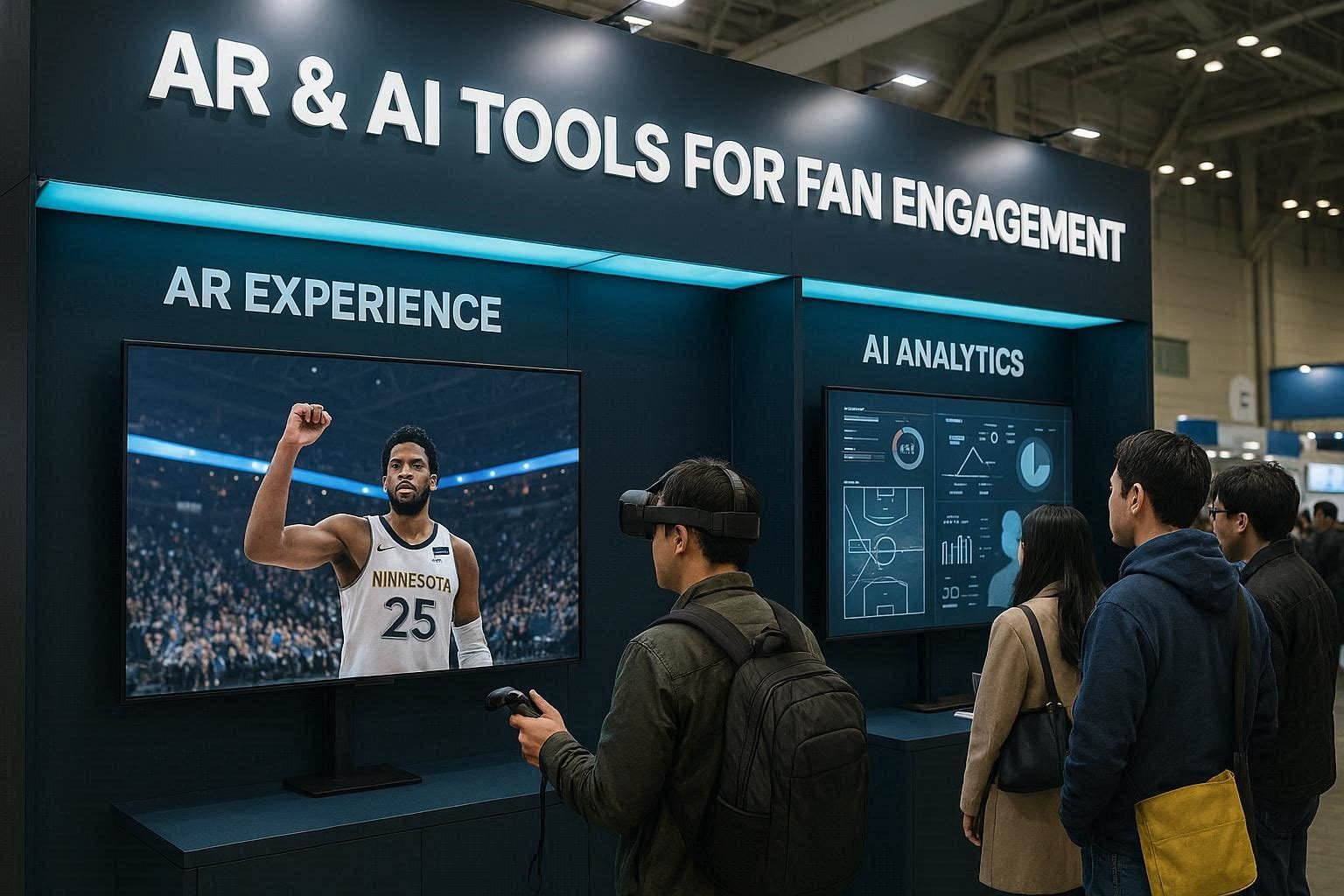
In early 2026, Busan hosted the SPOEX showcase, a major event highlighting the latest innovations in sports technology. The expo drew companies, clubs, and industry observers from across Korea and beyond, eager to see how augmented reality (AR) and artificial intelligence (AI) are reshaping both performance analysis and fan engagement.
The SPOEX 2026 showcase introduced AR training modules, immersive replay technology, and AI-driven fan engagement platforms. Companies demonstrated predictive analytics dashboards designed for both teams and audiences, underscoring how digital tools are transforming the sports ecosystem. Industry observers noted that these tools are increasingly being piloted by clubs in South Gyeongsang, including Changwon-based organizations, positioning the region as a hub for Korea’s evolving digital sports ecosystem. For readers interested in how sports venues themselves are evolving, see sports venues becoming real estate ecosystems.
AR Training Modules: A New Dimension for Athletes
One of the most talked-about innovations at SPOEX 2026 was the introduction of AR training modules. These systems allow athletes to practice in simulated environments that replicate real-game scenarios. By overlaying digital cues onto physical spaces, AR training helps players refine their decision-making, spatial awareness, and tactical execution.
For example, a football player can train with AR overlays that highlight passing lanes or defensive gaps. A baseball pitcher can visualize strike zones with dynamic feedback. These modules are designed not only to improve technical skills but also to accelerate learning by providing immediate, data-driven insights.
Clubs in Changwon have begun piloting these AR systems, integrating them into youth academies and professional training sessions. Coaches report that athletes respond positively to the immersive experience, finding it more engaging than traditional drills.
AI-Driven Fan Engagement Platforms
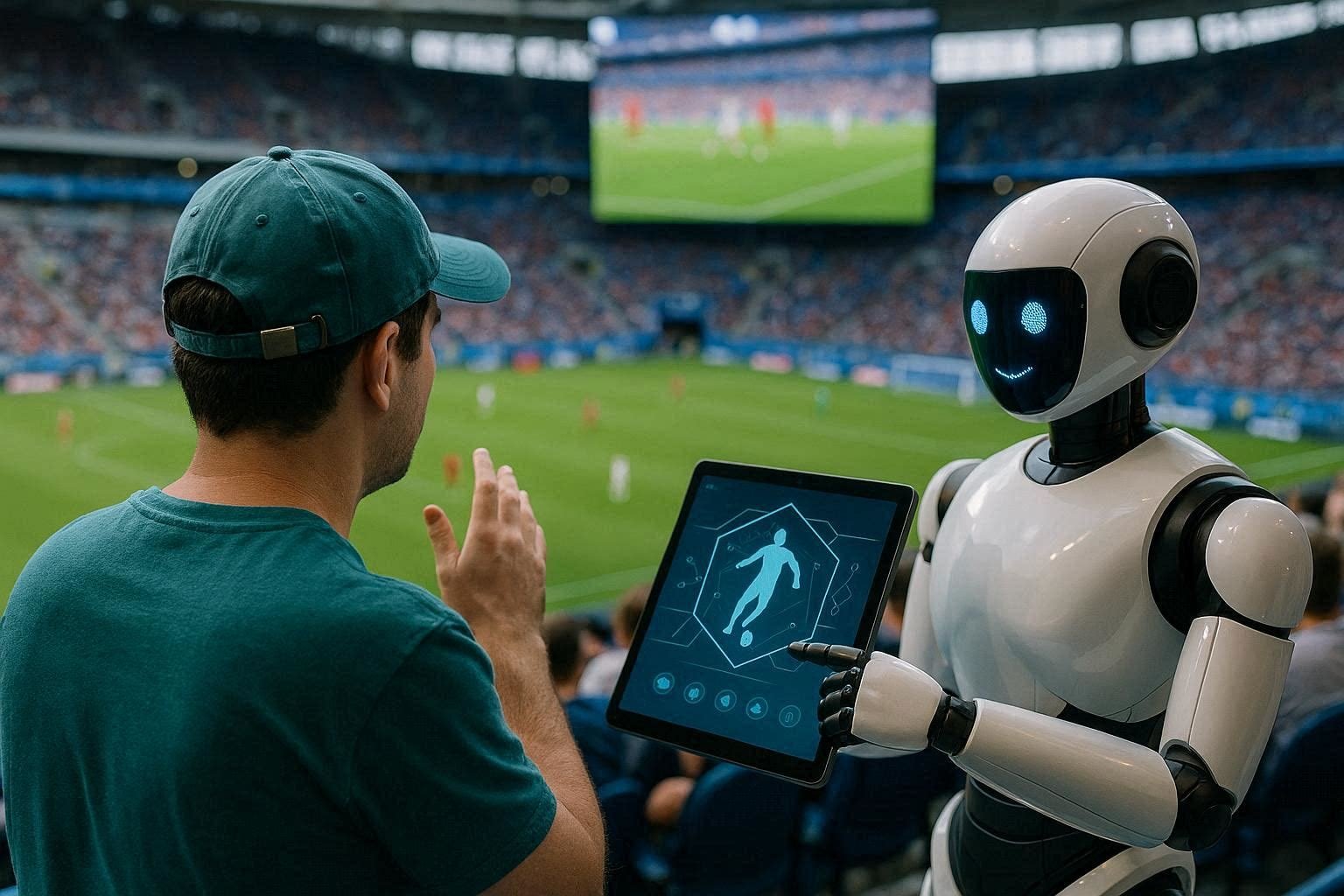
Beyond athlete training, SPOEX 2026 showcased AI-driven platforms designed to enhance fan engagement. These systems use machine learning to personalize content, predict fan preferences, and create interactive experiences.
For instance, AI dashboards can analyze fan behavior—such as viewing habits, social media interactions, and ticket purchases—to deliver tailored highlights or recommend merchandise. Chatbots powered by natural language processing allow fans to interact with clubs in real time, asking questions about lineups, match statistics, or upcoming events.
The goal is to make fans feel more connected to their teams, transforming passive spectators into active participants. Changwon-based organizations have already begun experimenting with these platforms, using them to deepen relationships with local supporters and expand their reach to global audiences.
Immersive Replay Technology
Another highlight of the expo was immersive replay technology. Unlike traditional replays, which show a fixed camera angle, immersive systems allow fans to experience matches from multiple perspectives, including player viewpoints.
Using AR and VR headsets, fans can relive key moments as if they were on the field. This technology is particularly appealing for younger audiences accustomed to interactive digital experiences. It also offers coaches and analysts new tools for reviewing performance, enabling them to dissect plays from angles previously unavailable.
Industry observers noted that immersive replay technology could redefine how fans consume sports, bridging the gap between live attendance and digital viewing.
Predictive Analytics Dashboards
SPOEX 2026 also introduced predictive analytics dashboards designed for both teams and audiences. These dashboards use AI to forecast outcomes, identify trends, and provide real-time insights.
For teams, predictive analytics can inform tactical decisions, such as when to substitute players or adjust formations. For fans, dashboards offer engaging content, such as win probability graphs or player performance forecasts.
Changwon clubs have begun piloting these dashboards, integrating them into match-day experiences. Fans attending games can access real-time analytics on their mobile devices, enhancing their understanding of the sport and deepening their engagement.
Regional Adoption in South Gyeongsang
Industry observers emphasized that South Gyeongsang, particularly Changwon, is emerging as a leader in adopting sports-tech innovations. Local clubs have embraced AR training, AI fan platforms, and predictive analytics, positioning themselves at the forefront of Korea’s digital sports ecosystem.
This regional adoption reflects broader trends in Korean sports culture, where technology is increasingly seen as a tool for both performance enhancement and fan engagement. By investing in digital tools, Changwon clubs are not only improving their competitiveness but also strengthening their connection with supporters.
The Broader Digital Sports Ecosystem
The innovations showcased at SPOEX 2026 illustrate how sports technology is reshaping the entire ecosystem. Athletes benefit from immersive training tools, coaches gain new analytical insights, and fans enjoy personalized, interactive experiences.
This holistic approach reflects a cultural shift in sports policy and practice. Success is no longer measured solely by wins and losses but also by the quality of engagement and the sustainability of fan communities. Technology provides the infrastructure for this shift, enabling clubs to balance performance with participation.
Challenges and Considerations
While the innovations are promising, challenges remain. AR and AI systems require significant investment, and smaller clubs may struggle to afford them. There are also concerns about data privacy, particularly when AI platforms analyze fan behavior.
Educators and policymakers emphasize the importance of media literacy in this context. Fans must be able to distinguish between credible insights and algorithm-driven sensationalism, ensuring that technology enhances rather than distorts their experience.
Clubs in Changwon are addressing these challenges by partnering with universities and tech companies, creating collaborative frameworks that balance innovation with responsibility.
Global Context
The innovations showcased in Busan align with global trends in sports technology. In Europe, football clubs are experimenting with AR training and AI fan platforms. In the United States, major leagues are investing in immersive replay systems and predictive analytics.
By adopting these tools, Korean clubs position themselves within a global movement toward digital sports ecosystems. Changwon’s embrace of technology demonstrates how regional initiatives can contribute to national and international progress. For example, the International Sports Technology Association has highlighted Korea’s role in advancing AR and AI applications, while FIFA’s innovation program showcases similar global efforts to integrate digital tools into the game.
Conclusion
The SPOEX 2026 showcase in Busan highlighted the transformative potential of AR and AI in sports. From immersive training modules to predictive analytics dashboards, the innovations on display are reshaping how athletes train, how coaches analyze, and how fans engage.
Industry observers noted that clubs in South Gyeongsang, particularly Changwon, are leading the way in adopting these tools. Their efforts position the region as a key player in Korea’s evolving digital sports ecosystem.
For fans, athletes, and industry stakeholders alike, the story of SPOEX 2026 illustrates how technology is not only enhancing performance but also redefining the cultural fabric of sports. As Korea continues to integrate digital tools into its sports landscape, Changwon’s example offers a blueprint for how regional adoption can drive national innovation.
Final Thought: Sports technology is no longer a futuristic concept—it is a present reality. The innovations showcased in Busan demonstrate how AR and AI can transform both the playing field and the stands, ensuring that sports remain dynamic, inclusive, and deeply connected to the digital age.