
Introduction
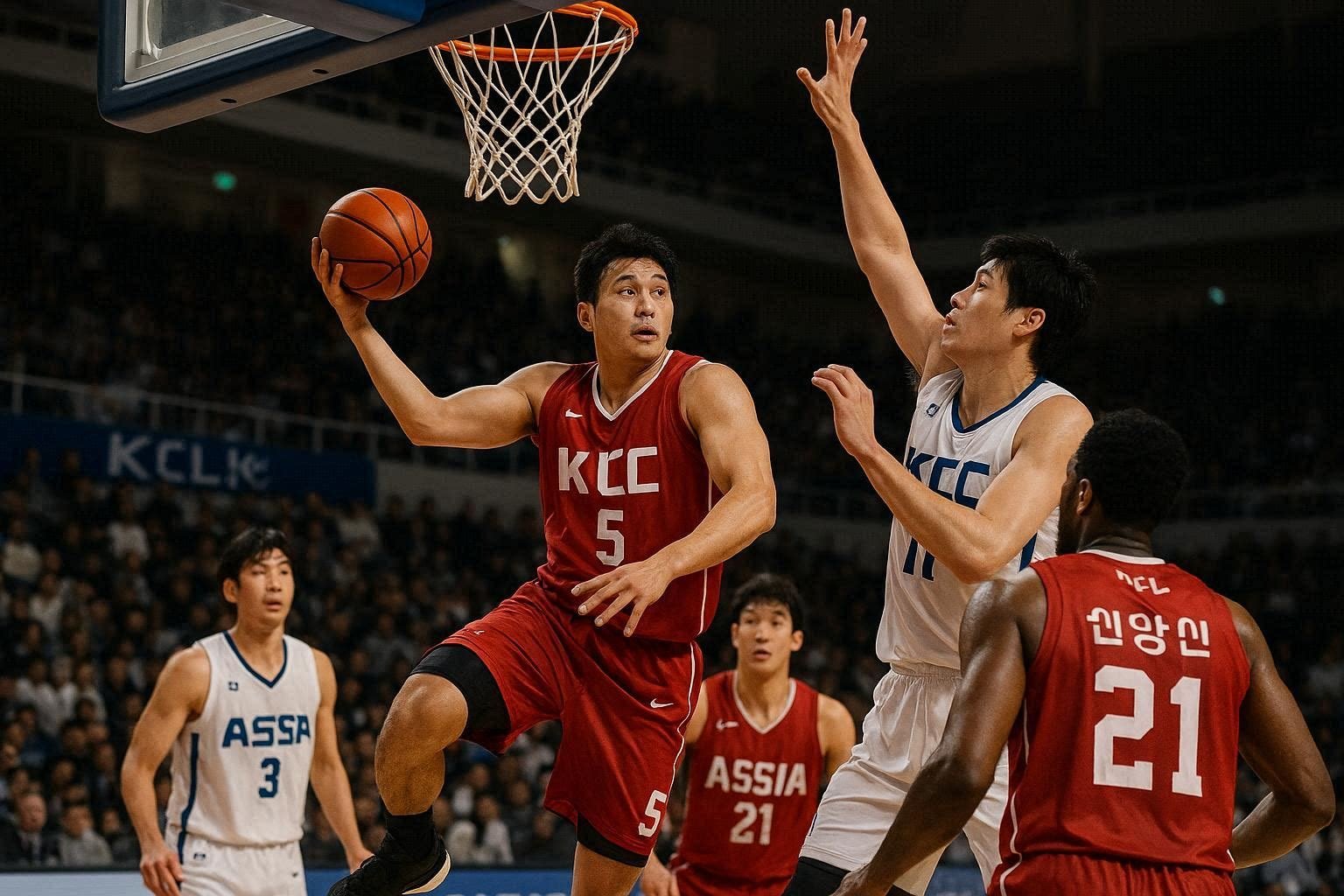
The Changwon LG Sakers’ playoff run has become more than a basketball story—it is a broadcast case study. Local broadcasters reported a surge in multi-platform viewership, with fans consuming highlights across TV, mobile apps, and social media simultaneously. This reflects a broader industry trend: fragmented consumption patterns are forcing broadcasters to adapt rights packages and analytics tools to measure cross-platform engagement. For ChangwonInsider readers, the Sakers’ playoff coverage is a vivid example of how regional teams drive national broadcast innovation.
Regional Teams as Broadcast Catalysts
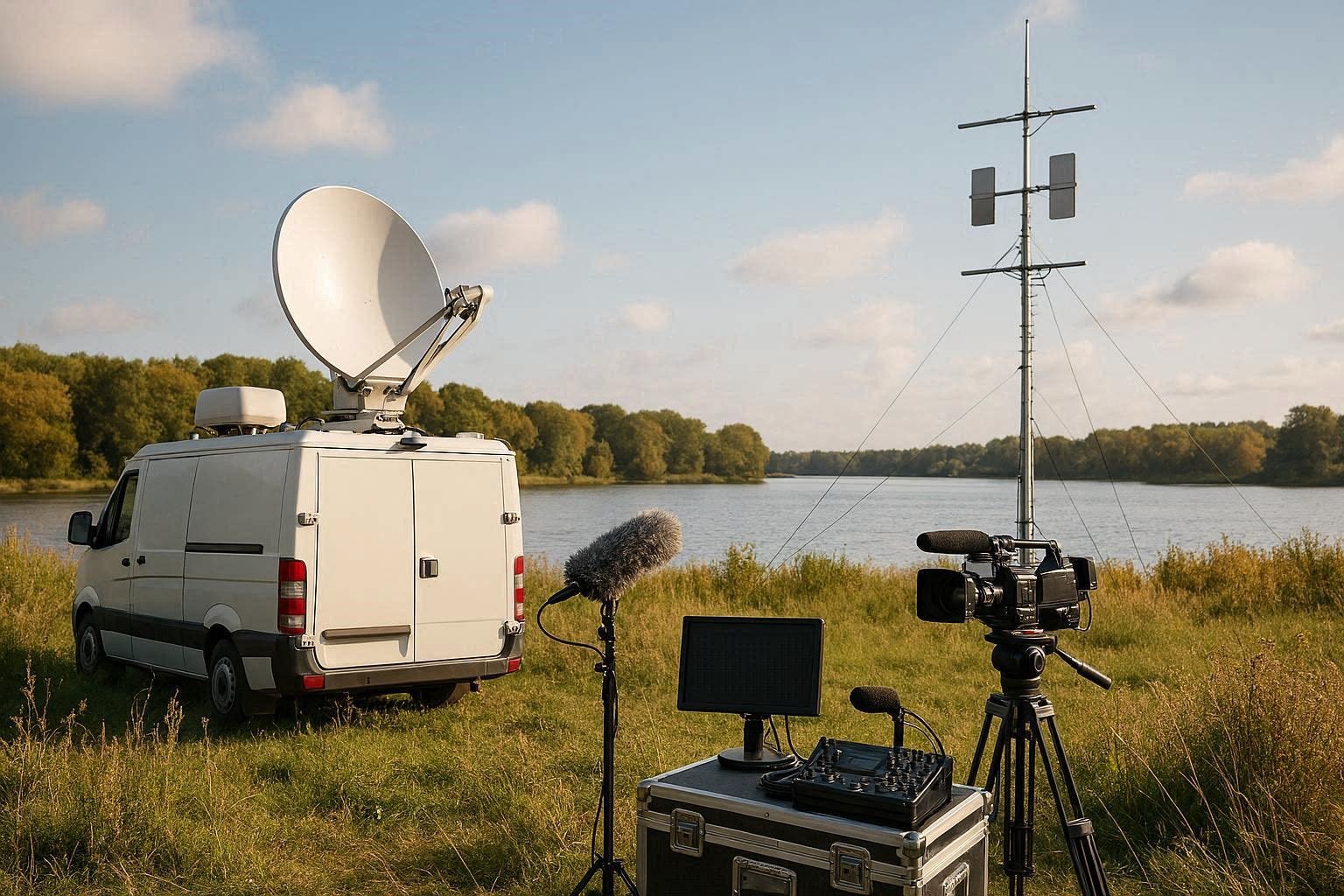
Historically, broadcast demand in Korea’s basketball ecosystem was concentrated around marquee clubs in Seoul. However, the Sakers’ playoff run demonstrates how regional teams can reshape the landscape. Changwon’s fan base, deeply rooted in local identity, amplified demand across multiple platforms. This surge challenged broadcasters to rethink how rights are distributed and monetized, ensuring that regional enthusiasm translates into national visibility.
Multi-Platform Consumption
Viewership data revealed that fans no longer rely on a single medium. Instead, they consume highlights and live coverage across:
- Television: Traditional broadcasts remain central, especially for older demographics.
- Mobile Apps: Younger fans prefer real-time updates and interactive features on mobile platforms.
- Social Media: Clips, memes, and tactical breakdowns circulate rapidly, extending the life of each game beyond the final buzzer.
This fragmented consumption pattern forces broadcasters to integrate analytics tools that measure engagement across platforms, rather than relying solely on TV ratings.
Analytics and Momentum
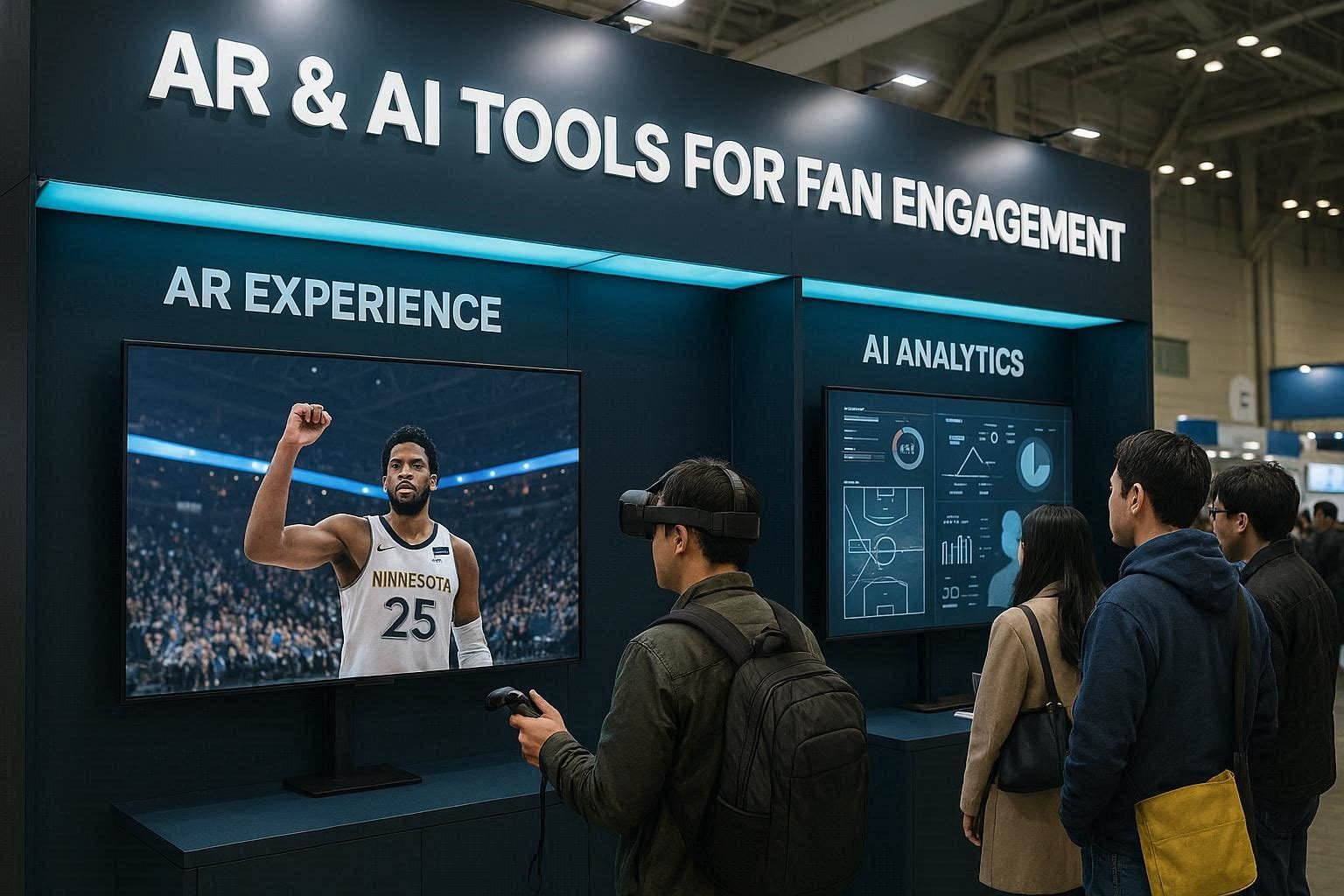
Broadcasters are increasingly turning to analytics to understand momentum shifts in games and fan engagement. The Sakers’ playoff run provided a rich dataset for testing these tools. By tracking spikes in social media activity during key plays, broadcasters could align commentary and highlight packages with fan sentiment. This integration of analytics into broadcast strategy reflects a new era of sports media.
For more on the analytics of KBL momentum, see
Changwon LG Sakers and the Analytics of KBL Momentum.
Industry Trends: Fragmentation and Adaptation
The Sakers’ case illustrates a broader industry trend: fragmentation. Audiences are dispersed across platforms, and broadcasters must adapt by:
- Creating rights packages that include digital and social media distribution.
- Developing cross-platform metrics to measure engagement holistically.
- Experimenting with interactive features, such as live polls and fan commentary integration.
This adaptation is not optional—it is essential for survival in a media ecosystem where fans expect seamless access across devices.
Global Comparisons
South Korea’s broadcast ecosystem shift mirrors global trends. In the NBA, multi-platform consumption is the norm, with fans watching games on TV, streaming apps, and engaging on Twitter simultaneously. European football leagues face similar challenges, balancing traditional broadcast rights with digital demand. The Sakers’ playoff surge shows that Korean basketball is part of this global transformation.
External references:
Fan Culture and Broadcast Innovation
Fan culture plays a pivotal role in driving broadcast innovation. Changwon’s supporters are known for their passionate engagement, both in arenas and online. Their demand for multi-platform access pushed broadcasters to experiment with new formats. This symbiotic relationship between fan culture and broadcast strategy underscores the importance of regional identity in shaping national media practices.
Educational Insight: Media Literacy
The Sakers’ playoff coverage also offers educational insights. Fans are learning to navigate fragmented media ecosystems, developing media literacy skills that allow them to critically engage with content across platforms. Broadcasters, in turn, must educate audiences about new features and metrics, fostering a more informed and participatory sports culture.
Challenges Ahead
Despite the opportunities, challenges remain. Broadcasters must balance commercial interests with public access, ensuring that fragmentation does not lead to exclusion. Rights negotiations are complex, and integrating analytics across platforms requires significant investment. Moreover, maintaining narrative coherence across fragmented consumption is a constant struggle.
Conclusion
The Changwon LG Sakers’ playoff run has highlighted how regional basketball clubs can reshape broadcast demand. By driving multi-platform viewership and forcing broadcasters to adapt rights packages and analytics tools, the Sakers have become a case study in broadcast innovation. For ChangwonInsider readers, this story illustrates how local passion can influence national media ecosystems, reflecting broader shifts in Korean sports broadcasting.
Ultimately, the Sakers’ playoff surge is more than a basketball story—it is a broadcast ecosystem shift. As audiences continue to fragment across platforms, broadcasters must adapt, innovate, and embrace analytics to meet the demands of a new era. Regional teams like the Sakers are not just participants in this transformation—they are catalysts, driving the evolution of sports media in Korea and beyond.