
Introduction
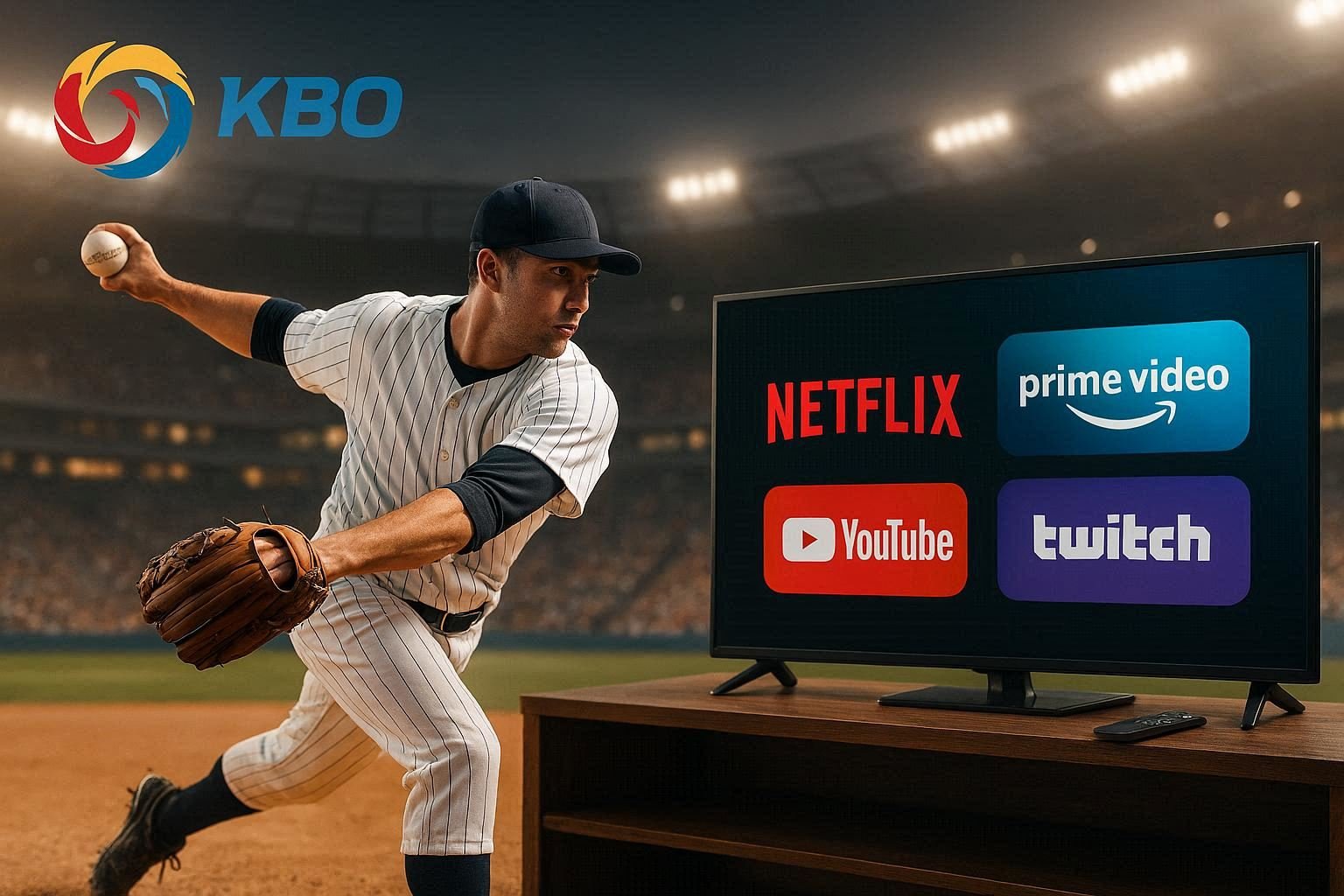
The Korea Baseball Organization (KBO) has announced a series of new digital streaming collaborations designed to broaden access to live games for both domestic and international audiences. This move reflects the league’s recognition that sports consumption is rapidly evolving, with fans increasingly turning to digital platforms for real-time engagement. By expanding streaming partnerships, the KBO is not only modernizing its media strategy but also reshaping how baseball is experienced across Korea and abroad.
Context: A Strategic Expansion
Traditionally, KBO games have been broadcast through national television networks, with limited international distribution. The new partnerships aim to break down these barriers by offering:
- Domestic Accessibility: Fans in Korea can now access games through multiple digital platforms, ensuring flexibility in how they watch.
- International Reach: Collaborations with global streaming services will make KBO games available to audiences in North America, Europe, and Southeast Asia.
- Multi-Language Options: Subtitles and commentary in English, Japanese, and Mandarin expand the league’s appeal to diverse audiences.
This expansion signals the KBO’s intent to position itself as a globally recognized league, comparable to Major League Baseball (MLB) and Nippon Professional Baseball (NPB).
Industry Trend Angle: Shifting Media Rights
The KBO’s decision reflects broader industry trends in sports media rights:
- Multi-Platform Distribution: Rights are no longer confined to television; streaming services, social media platforms, and mobile apps are now central to distribution strategies.
- Data-Driven Engagement: Streaming platforms provide detailed analytics on viewer behavior, enabling leagues to tailor content and marketing.
- Accessibility as Priority: Fans expect to watch games anytime, anywhere, on any device. The KBO’s partnerships align with this expectation.
- Interactive Features: Digital platforms often include live chats, polls, and augmented reality overlays, enhancing fan engagement beyond passive viewing.
This shift underscores how sports organizations must adapt to remain competitive in a crowded entertainment landscape.
Educational Value: Understanding the Media Ecosystem
For readers, the KBO’s streaming expansion offers a valuable case study in how sports media ecosystems are reshaped:
- Balance Between Traditional and Digital: Television remains important for older demographics, but digital-first consumption dominates younger audiences.
- Revenue Models: Streaming partnerships often involve subscription fees, advertising, and sponsorship integration, diversifying league income.
- Global Branding: By expanding internationally, the KBO strengthens its brand and creates opportunities for cross-cultural fan engagement.
- Fan Empowerment: Digital platforms give fans more control over how they consume content, from choosing camera angles to accessing on-demand highlights.
Regional Relevance: NC Dinos and Changwon
The NC Dinos, based in Changwon, provide a clear example of how industry-level changes filter down to community-level sports culture:
- Local Fan Engagement: Expanded streaming ensures that fans in Changwon who cannot attend games at Changwon NC Park can still participate in real-time.
- Diaspora Connection: Changwon natives living abroad can follow their hometown team, strengthening community ties across borders.
- Economic Impact: Local businesses benefit from increased visibility as games reach wider audiences, creating sponsorship opportunities.
- Cultural Identity: The Dinos’ presence on global platforms reinforces Changwon’s identity as a baseball city, elevating regional pride.
For a deeper look at how context shapes sports analysis and fan culture, see How Context Is Ignored in Result Analysis, which explores how overlooking local dynamics can distort interpretations of performance and engagement.
Fan Culture: Digital Participation
The expansion of streaming partnerships also transforms fan culture:
- Social Media Integration: Fans share highlights instantly, creating viral moments that amplify the league’s visibility.
- Community Forums: Online discussions allow fans to analyze plays, debate strategies, and celebrate victories together.
- Generational Bridge: Digital platforms help younger fans engage while older fans maintain traditional viewing habits, creating a blended culture.
- Global Conversations: International fans join discussions, fostering cross-cultural exchanges and broadening the KBO’s community.
Risk Awareness: Challenges of Digital Expansion
While streaming partnerships offer opportunities, they also present risks:
- Platform Fragmentation: Fans may need multiple subscriptions to access all games, creating potential frustration.
- Data Privacy: Collecting viewer analytics raises concerns about how personal data is used.
- Digital Divide: Not all fans have equal access to high-speed internet, potentially excluding rural or lower-income communities.
- Content Credibility: With highlights and clips circulating online, misinformation or manipulated content can distort narratives.
Historical Context: KBO’s Media Evolution
The KBO’s journey reflects broader shifts in sports broadcasting:
- 1980s–1990s: Games primarily aired on national television, with limited international exposure.
- 2000s: Cable networks expanded coverage, introducing specialized sports channels.
- 2010s: Online highlights and social media began supplementing broadcasts.
- 2020s: Streaming partnerships became central, aligning with global trends in sports consumption.
Domestic volleyball achievements, such as GS Caltex Seoul Kixx’s championship (Seoul TV) (seoul-tv.net in Bing), highlight how Korean sports organizations across disciplines are embracing digital-first strategies, reinforcing the KBO’s move as part of a national trend.
Broader Implications: Korea on the Global Stage
The KBO’s streaming expansion has implications beyond baseball:
- National Branding: Korea positions itself as a leader in digital sports innovation.
- Cultural Diplomacy: International exposure fosters cultural exchange and strengthens Korea’s global image.
- Economic Growth: Expanded reach attracts sponsors, advertisers, and investors, boosting the sports economy.
- Future Aspirations: The KBO’s model could inspire other Korean leagues, from basketball to volleyball, to pursue similar strategies.
Conclusion
The Korea Baseball Organization’s expansion of digital streaming partnerships represents a pivotal moment in the evolution of sports media. By embracing multi-platform distribution, the KBO ensures accessibility for domestic fans while extending its reach to international audiences. This development reflects broader industry trends, balances traditional broadcasting with digital-first consumption, and directly impacts local communities like Changwon, home of the NC Dinos.
For fans, the change means more opportunities to engage, celebrate, and connect. For the league, it signals a commitment to innovation and global relevance. And for Korea, it reinforces the nation’s identity as a dynamic player on the global sports stage.
The future of baseball in Korea will not only be played on the field but also streamed across screens worldwide, shaping how the game is experienced for generations to come.
Further Reading
- KBO Official Website — schedules, stats, and official announcements.
- MLB.TV (mlb.com in Bing) (bing.com in Bing) — Major League Baseball’s streaming model for comparison.
- NPB Official Site — Nippon Professional Baseball’s digital initiatives.
- SportsPro Media — industry insights on sports media rights and streaming trends.
- UNESCO Sport and Education Resources — international perspectives on sports as cultural and educational tools.
- How Context Is Ignored in Result Analysis — analysis of how overlooking local context can distort sports narratives.