
Introduction: A Critical Playoff Match
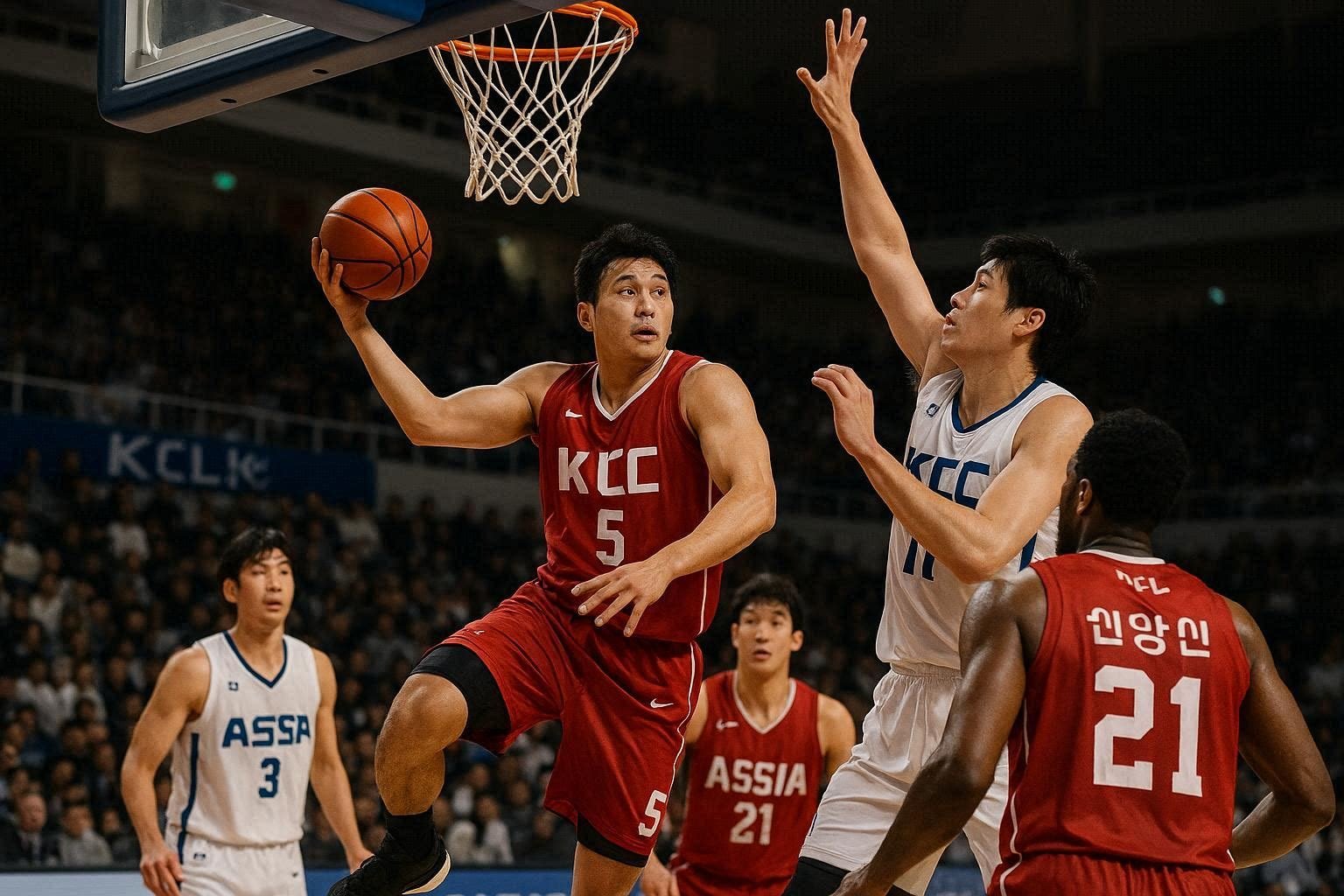
On April 19, Changwon LG Sakers faced Ulsan Mobis Phoebus in a pivotal Korean Basketball League (KBL) playoff matchup. The game carried weight not only for the standings but also for how fans experienced it. Broadcasts featured interactive scoreboard overlays, real-time chat, and digital engagement tools that transformed the contest into more than a traditional telecast.
This integration illustrates a broader industry trend: KBL broadcasts are evolving into hybrid digital products, where technology is central to sustaining fan attention in competitive playoff environments. For a deeper look at how Changwon’s playoff journey connects to broader broadcast innovation, see Changwon LG Sakers and the Broadcast Ecosystem Shift.
The Playoff Context
Changwon LG Sakers entered the matchup with playoff ambitions, needing a strong performance against Ulsan Mobis Phoebus to solidify their push. The game itself was intense, but equally significant was how it was delivered to audiences.
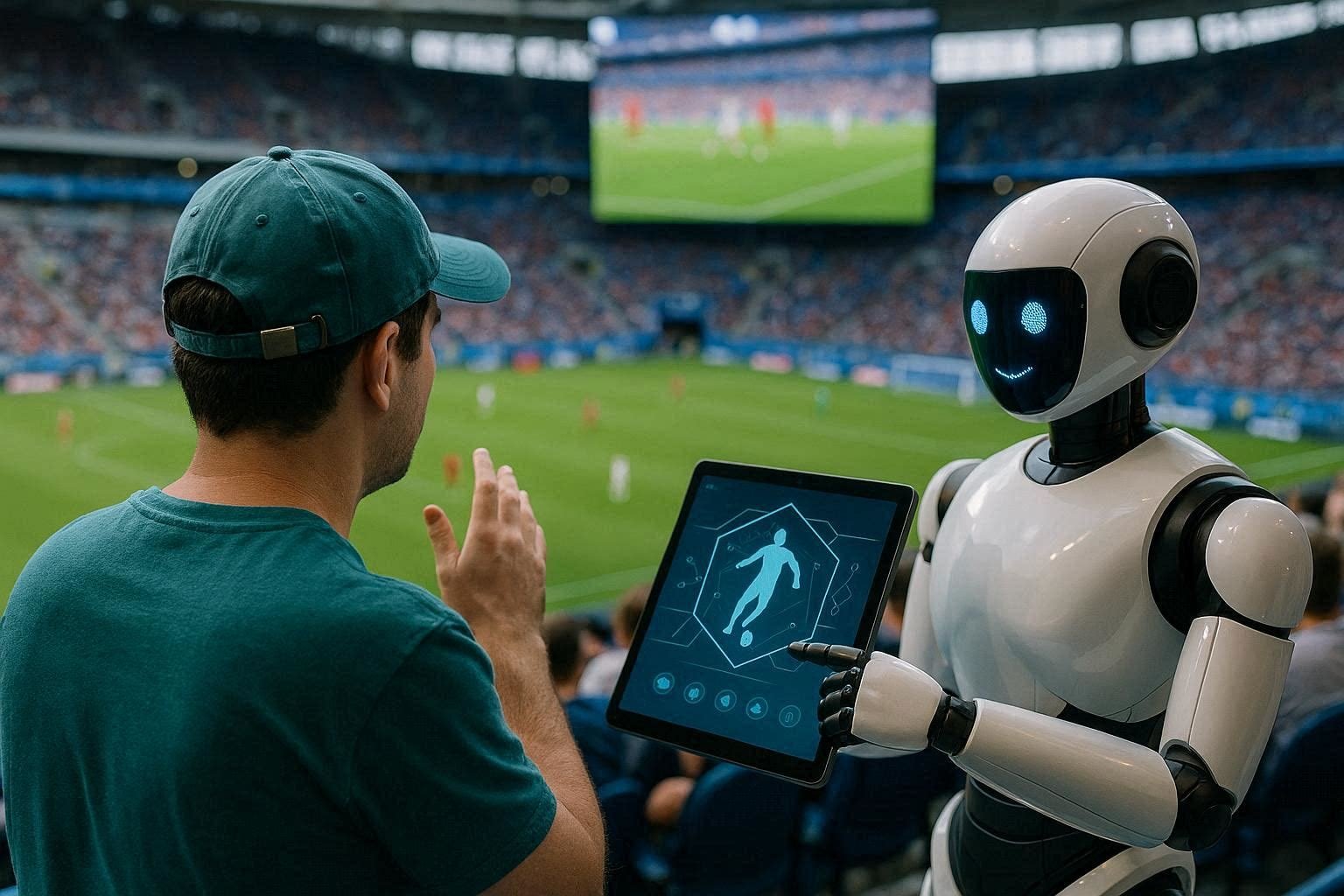
Fans didn’t just watch; they interacted. The broadcast offered live scoreboards that updated in real time, chat features that allowed fans to comment collectively, and overlays that highlighted player stats instantly. This integration reflects the league’s recognition that modern sports consumption is as much about digital engagement as it is about the game itself.
Broadcast Evolution: From Passive Viewing to Active Participation
- Real-time chat: Fans exchange reactions, creating a communal digital atmosphere.
- Interactive overlays: Stats, shot charts, and win probability models appear dynamically.
- Live scoreboards: Integrated graphics keep fans updated without breaking immersion.
These features are no longer secondary. They are central to how fans engage, especially in playoff contexts where attention spans are fragmented across devices.
Industry Angle: Hybrid Digital Products
The KBL’s integration of interactive features reflects a shift toward hybrid digital products. A broadcast is no longer just a video feed; it is a layered experience combining live action, data visualization, and social interaction.
This mirrors global trends. The NBA has experimented with alternate streams featuring advanced analytics and influencer commentary. FIBA has partnered with Genius Sports to deliver augmented broadcasts (FIBA Broadcast Innovation). The KBL’s adoption of interactive scoreboards and chats shows how Korean basketball is positioning itself within this global movement.
Fan Engagement: Sustaining Attention in Competitive Environments
- Second-screen culture: Fans multitask but stay within the broadcast ecosystem via integrated chat.
- Data-driven storytelling: Overlays contextualize plays, showing momentum shifts.
- Community building: Real-time chat replicates the communal feel of arenas, allowing fans to share emotions instantly.
Educational Lens: How Technology Shapes Consumption
- Attention economics: Interactive features compete with distractions by offering constant engagement.
- Behavioral shifts: Younger audiences expect interactivity; static broadcasts feel outdated.
- Hybrid ecosystems: Consumption blends live attendance, broadcast viewing, and digital highlights.
By studying the KBL’s integration, readers can see how sports leagues adapt to evolving audience expectations.
Case Study: Interactive Scoreboards
The April 19 broadcast highlighted the power of interactive scoreboards. Fans could track not only the score but also advanced metrics like shooting percentages, turnovers, and player efficiency ratings. This transparency enhances understanding, bridging gaps between casual and hardcore fans.
Real-Time Chat: Digital Community in Action
Real-time chat during broadcasts replicates the communal atmosphere of arenas. Fans cheer, debate, and react collectively. The chat democratizes commentary, strengthening loyalty and keeping audiences invested.
Interactive Overlays: Data as Storytelling
Interactive overlays transform data into storytelling. When a player hits a clutch shot, overlays show his shooting percentage in similar situations. When a team goes on a run, graphics illustrate momentum shifts. This integration educates fans, aligning with the KBL’s goal of deepening basketball literacy.
Industry Implications: Monetization and Reach
- Monetization: Interactive features create sponsorship opportunities.
- Global reach: Digital products appeal to international audiences.
- Data collection: Engagement metrics refine future strategies.
For the KBL, playoff broadcasts are testbeds for innovation, shaping how the league competes in a crowded entertainment market.
Broader Context: Korean Sports Broadcasting
The KBL’s integration reflects broader trends in Korean sports broadcasting. Football and baseball broadcasts have also experimented with interactive features. Korea’s tech-savvy infrastructure makes it fertile ground for innovation. See the KBL Official Site and KT Skylife & Pixellot AI Sports OTT for examples of ongoing digital transformation.
Changwon LG Sakers: Playoff Push Amplified
For Changwon LG Sakers, the playoff push is amplified by broadcast integration. Fans not only watched the game against Ulsan Mobis Phoebus but also participated in it digitally. This dual engagement strengthens loyalty, ensuring that the playoff narrative resonates beyond the court.
Conclusion: The Future of KBL Broadcasting
The April 19 matchup was more than a playoff game. It was a demonstration of how broadcast technology is reshaping sports consumption. Interactive scoreboards, real-time chat, and overlays transformed the broadcast into a hybrid digital product, sustaining fan attention in a competitive environment.
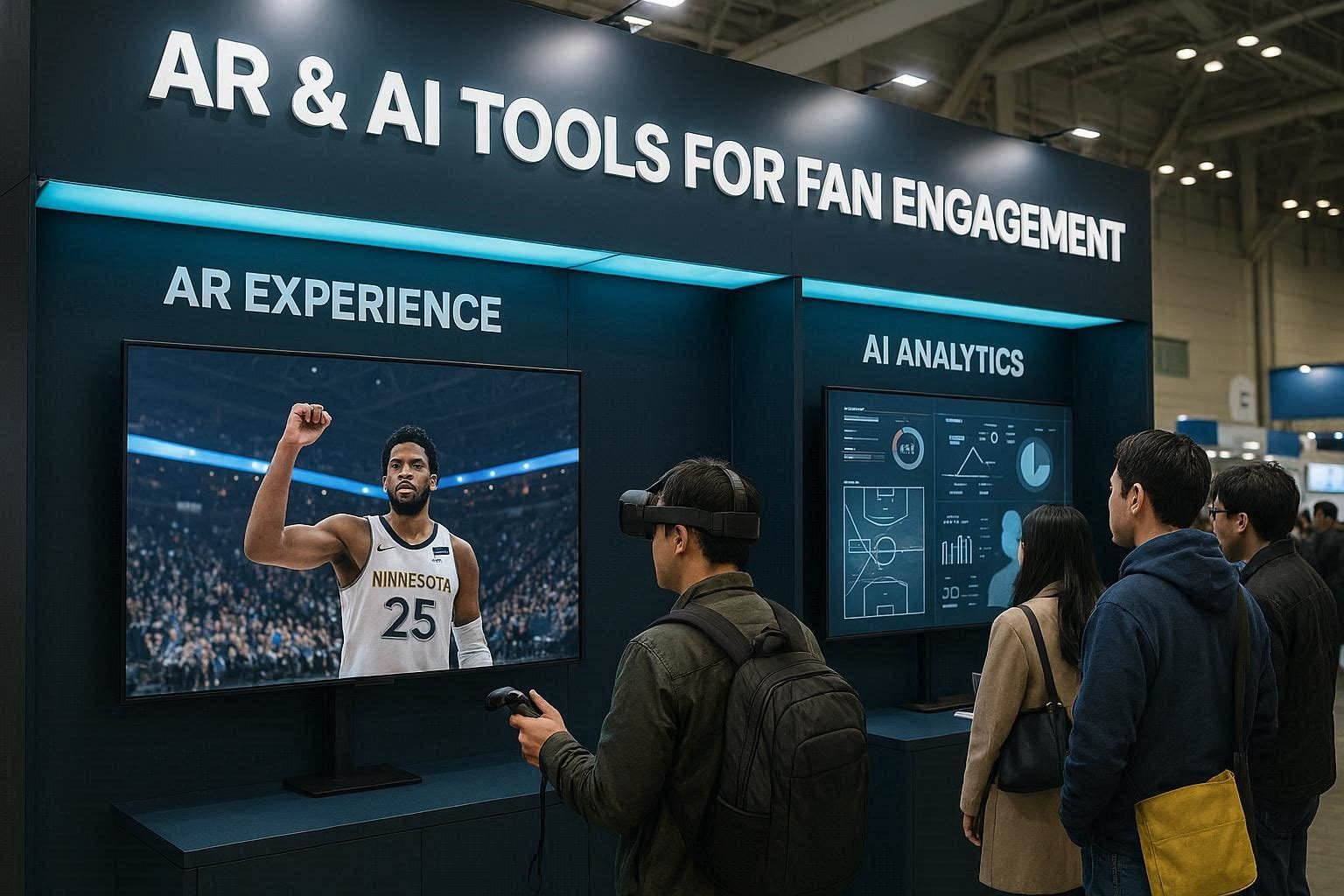
Looking ahead, expect augmented reality, personalized stats, and deeper social interactivity in KBL broadcasts. For fans, this means richer experiences; for the league, sustained relevance in a crowded entertainment landscape.
The Changwon LG Sakers’ playoff push thus becomes a case study in how sports and technology converge — a reminder that in modern basketball, the game is played not only on the court but also on the screen.