
Introduction
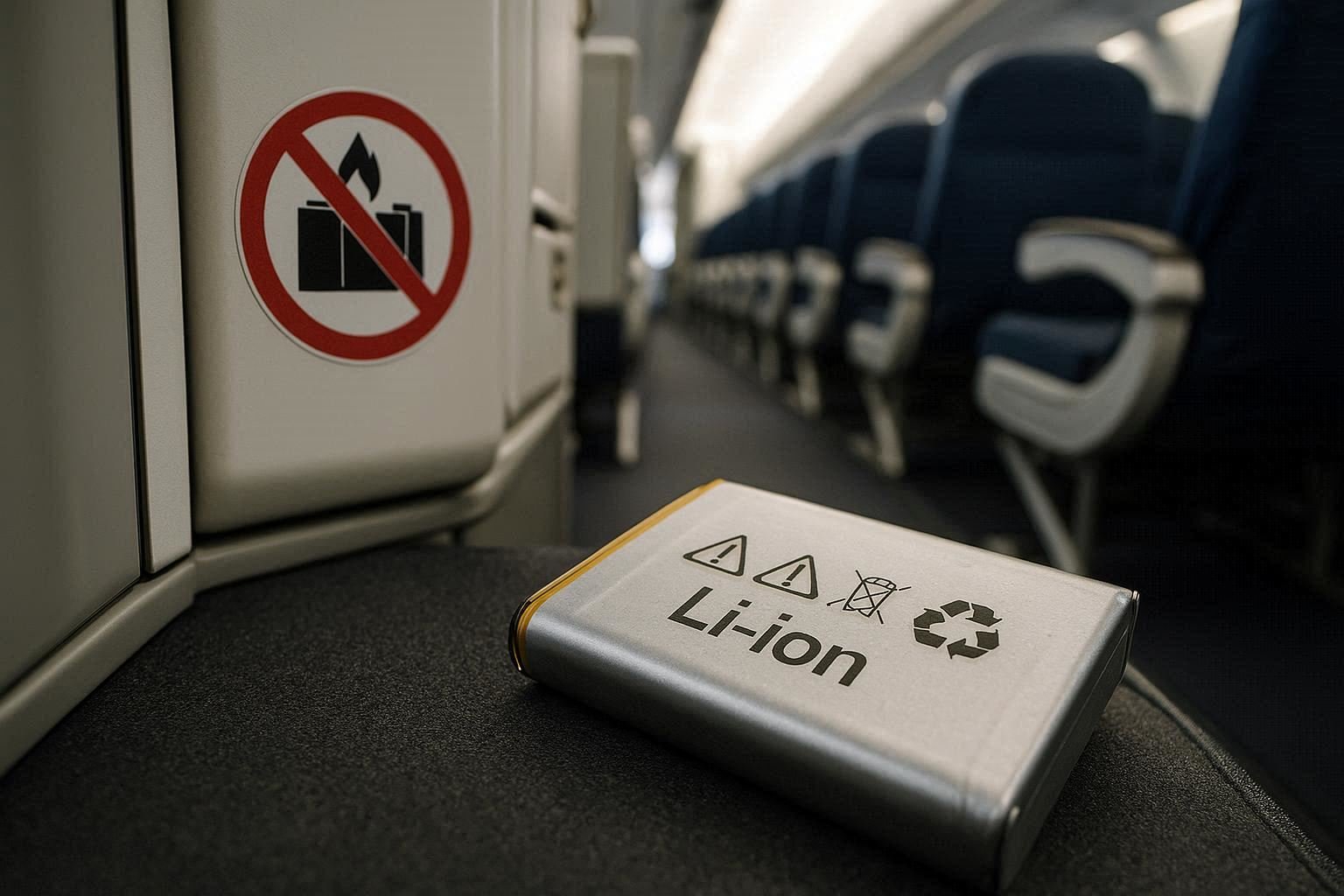
This week, South Korea’s proposal to tighten safety rules on portable lithium battery charging devices was formally adopted as an international standard. The decision marks a significant milestone in global aviation safety, ensuring that portable power banks and charging devices meet stricter requirements when carried aboard flights (ICAO).
While the immediate context is aviation safety, the ripple effects extend far beyond airlines. Portable lithium batteries are essential to modern digital ecosystems, particularly in sports media and technology. From live streaming matches to powering fan engagement apps in stadiums, these devices underpin the infrastructure of contemporary sports culture. The adoption of these rules illustrates how global safety standards intersect with digital sports ecosystems, ensuring reliability for devices used in arenas, stadiums, and mobile broadcasting.
For Changwon, a manufacturing hub in South Gyeongsang Province closely tied to Korea’s electronics industry, the policy shift underscores how industrial regulation and sports technology infrastructure are interconnected.
Background: Lithium Battery Safety Concerns
Lithium batteries have long been a focus of safety regulation due to their potential fire risks. Incidents of overheating, short-circuiting, and even explosions have prompted airlines and regulators to impose restrictions on battery size, watt-hour ratings, and packaging (FAA).
South Korea’s proposal sought to address these risks by tightening standards for portable charging devices, including power banks commonly used by travelers and sports fans. The international adoption of these rules means:
- Stricter Watt-Hour Limits: Clear thresholds for maximum battery capacity allowed on flights.
- Enhanced Packaging Standards: Requirements for protective casing and labeling.
- Mandatory Compliance Testing: Devices must undergo rigorous safety checks before entering markets.
These measures aim to reduce risks while maintaining the convenience of portable power.
Industry Trend Angle: Sports Media and Technology
The adoption of global safety rules directly impacts sports media and technology industries. Portable lithium batteries are indispensable in these contexts:
1. Live Streaming and Mobile Broadcasting
Sports journalists, influencers, and fans rely on portable power banks to stream matches and events.
- Impact: Stricter safety standards ensure reliability, reducing risks of device failure during broadcasts.
- Trend: Mobile broadcasting becomes safer and more consistent, enhancing fan trust in digital coverage (SportsPro Media).
2. Fan Engagement Apps
Stadiums and arenas increasingly use apps for ticketing, live stats, and interactive fan experiences.
- Impact: Fans depend on portable chargers to keep devices powered throughout events.
- Trend: Safer batteries ensure uninterrupted engagement, reinforcing digital sports ecosystems.
3. Athlete and Team Media
Teams use portable devices for training analytics, social media updates, and fan outreach.
- Impact: Compliance with safety standards ensures devices are reliable during travel and competition.
- Trend: Integration of safe, certified batteries into sports workflows strengthens industry resilience.
Educational Takeaway: Safety Standards and Digital Ecosystems
For readers, the adoption of these rules provides a valuable lesson in how global safety standards intersect with digital ecosystems:
- Safety Enhances Reliability: Stricter standards reduce risks, ensuring devices function consistently.
- Global Standards Create Uniformity: International adoption means fans and professionals can trust devices across borders.
- Sports Ecosystems Depend on Infrastructure: Reliable batteries underpin apps, broadcasts, and fan experiences.
- Industrial Regulation Shapes Culture: Policies designed for safety ripple into cultural domains like sports engagement.
This case illustrates how technical regulation directly influences community behavior and cultural participation.
Regional Relevance: Changwon and South Gyeongsang
Changwon, a major manufacturing hub in South Gyeongsang Province, plays a central role in Korea’s electronics industry.
- Manufacturing Impact: Companies in Changwon produce components for batteries and portable devices.
- Policy Connection: Adoption of global standards reinforces Korea’s leadership in electronics safety (Korea JoongAng Daily (koreajoongangdaily.joins.com in Bing)).
- Sports Technology Link: Devices manufactured in Changwon are used worldwide in sports broadcasting and fan engagement.
The city’s role highlights how industrial regulation and sports technology infrastructure are interconnected. Changwon’s factories not only produce batteries but also contribute to the reliability of sports ecosystems globally. This connection is echoed in local coverage of sports analytics and momentum in basketball, such as the Changwon LG Sakers’ performance in the KBL (Changwon Insider). Together, these stories show how industrial and cultural innovation converge in Changwon.
Industry and Civic Response
Stakeholders across industries have responded positively to the adoption of global standards:
- Airlines: Welcome stricter rules that reduce risks of onboard incidents.
- Manufacturers: Recognize the opportunity to lead in producing compliant, safe devices.
- Sports Media Companies: Appreciate the reliability of certified batteries for live coverage.
- Fans: Benefit from safer, more dependable devices during events.
This collective response underscores the broad relevance of technical regulation.
Comparative Perspective: Global Trends
South Korea’s leadership in proposing these rules aligns with global trends:
- United States: The FAA imposes strict limits on lithium battery capacity for flights.
- Europe: The EU emphasizes harmonized safety standards across member states (European Commission).
- Asia: Countries like Japan and Singapore adopt rigorous testing protocols for portable devices (SCMP).
The international adoption of Korea’s proposal positions the country as a leader in shaping global safety standards, with direct implications for sports technology.
Challenges Ahead
Despite progress, challenges remain:
- Compliance Costs: Manufacturers must invest in testing and certification.
- Consumer Awareness: Fans and travelers must understand new rules and device limits.
- Innovation Balance: Regulation must protect safety without stifling technological innovation.
- Global Enforcement: Ensuring consistent enforcement across jurisdictions is complex.
Addressing these challenges will be critical to sustaining safe and reliable ecosystems.
Educational Framework for Readers
To analyze the significance of these rules, readers can apply the following framework:
- Identify Stakeholders: Regulators, manufacturers, airlines, sports media companies, fans.
- Understand Goals: Safety, reliability, global uniformity.
- Evaluate Tools: Watt-hour limits, packaging standards, compliance testing.
- Assess Impact: How do rules influence sports broadcasting, fan engagement, and community behavior?
This framework empowers readers to critically engage with the intersection of safety regulation and cultural ecosystems.
Future Outlook
Looking ahead, the adoption of global lithium battery safety rules will shape industries in several ways:
- Enhanced Reliability: Devices used in sports broadcasting and fan engagement will be safer and more consistent.
- Industrial Leadership: Korea, and cities like Changwon, will strengthen their role in global electronics manufacturing.
- Cultural Integration: Fans worldwide will benefit from safer devices, reinforcing trust in digital sports ecosystems.
- Global Influence: Korea’s leadership may inspire further proposals linking industrial regulation with cultural infrastructure.
The success of these rules will depend on effective enforcement, industry cooperation, and consumer awareness.
Conclusion
The adoption of South Korea’s proposal to tighten lithium battery safety rules as a global standard marks a pivotal moment in aviation and technology regulation. While designed for flight safety, the rules have far-reaching implications for sports media and technology industries, where portable devices are essential for broadcasting, fan engagement, and cultural participation.
For readers, the case illustrates how global safety standards intersect with digital ecosystems, ensuring reliability for devices used in stadiums, arenas, and mobile broadcasting. For Changwon, the policy shift underscores how industrial regulation and sports technology infrastructure are interconnected, reinforcing Korea’s leadership in both manufacturing and cultural innovation.
As sports and digital culture continue to evolve, the integration of global safety standards ensures that the devices powering these ecosystems remain safe, reliable, and universally trusted.