
Introduction
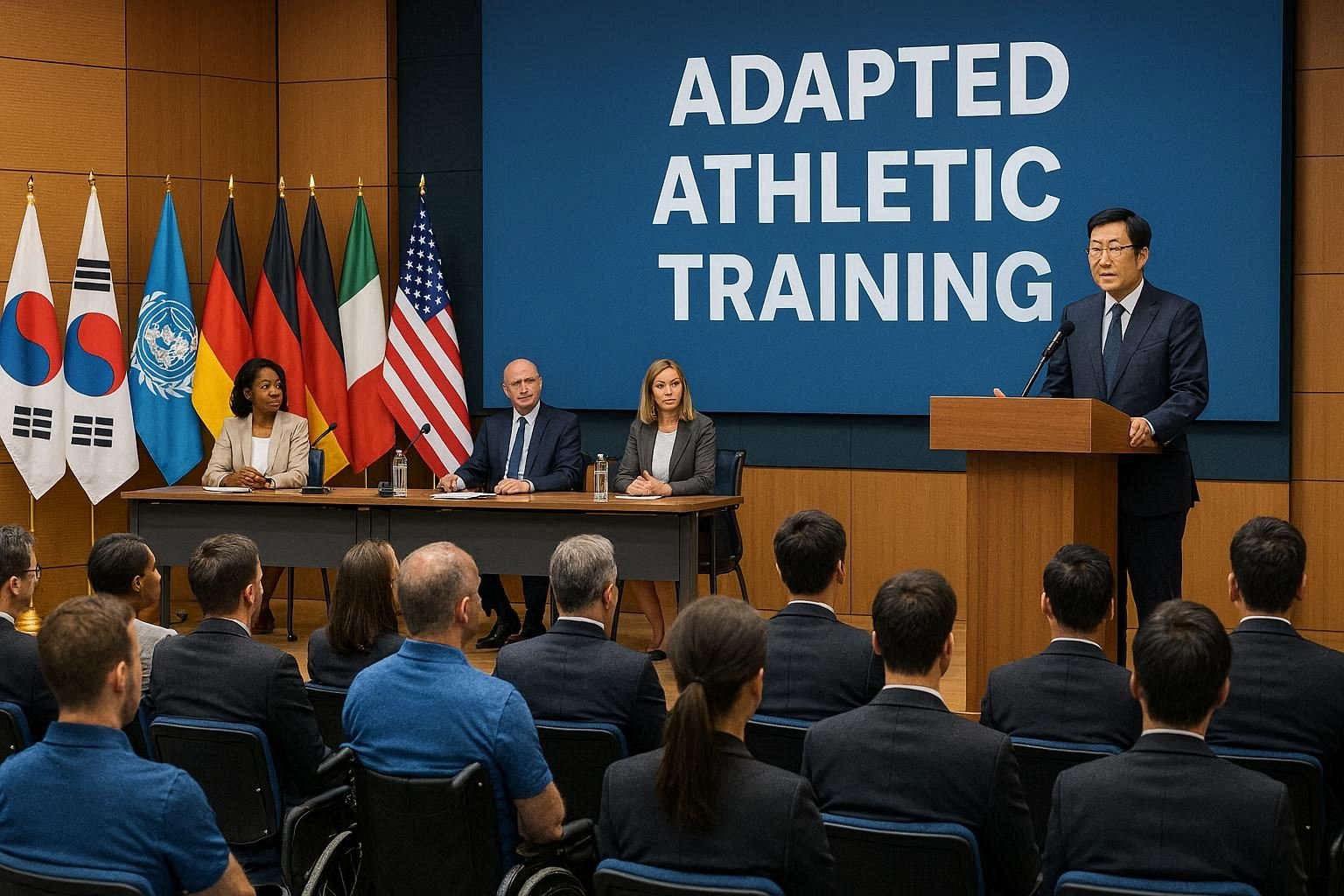
On April 10–11, 2026, the city of Changwon in South Gyeongsang Province will host the International Conference on Adapted Athletic Training Techniques for Special Populations. This event brings together sports scientists, coaches, medical professionals, and policy makers to explore how technology and inclusive practices can reshape athletic training. While conferences often highlight cutting-edge research, this gathering is particularly significant because it emphasizes the intersection of sports science, technology, and inclusivity, positioning Changwon as a hub for global sports innovation.
Context: Why Adapted Athletic Training Matters
Adapted athletic training refers to specialized methods designed for athletes with diverse needs, including para-athletes, older adults, and individuals with medical conditions. The field has grown rapidly in recent years, reflecting broader societal commitments to inclusivity and equity in sports.
- Inclusivity: Ensures that athletes of all abilities have access to training methods tailored to their needs.
- Technology Integration: Advances in analytics and monitoring tools allow coaches to personalize training programs.
- Global Relevance: Adapted training is not limited to Korea; it reflects international trends toward inclusive sports development.
By hosting this conference, Changwon highlights its role in advancing both local and global conversations about inclusivity in sports.
Industry Trend Insight: Technology and Inclusion
The conference emphasizes how technology and inclusion intersect in sports science:
- Analytics: Data-driven tools track performance metrics, helping coaches identify strengths and areas for improvement.
- Monitoring Techniques: Wearable devices measure heart rate, oxygen levels, and movement patterns, ensuring safe and effective training.
- Adaptive Methods: Training programs are customized for diverse populations, from para-athletes to seniors, ensuring accessibility.
These trends reflect how sports science is evolving to meet the needs of all athletes, not just elite professionals. They also connect to broader industry developments, such as the rise of AI-powered sports analytics tools in Korea (AI-Powered Sports Analytics Tools Gain Ground in Korea), which are transforming how coaches and athletes interpret performance data.
Educational Value: Integrating Science and Society
For readers new to sports science, the conference provides a clear example of how technology integrates with cultural and social frameworks:
- Scientific Foundations: Research in biomechanics, physiology, and psychology informs training methods.
- Technological Tools: Devices and software translate scientific insights into practical applications.
- Cultural Context: Inclusivity ensures that training methods reflect societal values of equity and representation.
This integration highlights how sports science is not just about performance but about building inclusive communities.
Regional Relevance: Changwon’s Role
Hosting the conference positions Changwon as a hub for sports science and technology:
- Local Identity: Changwon gains recognition as a city committed to innovation and inclusivity.
- Economic Impact: Conferences attract visitors, boosting local businesses and tourism.
- Global Visibility: By hosting international experts, Changwon strengthens its role in global sports networks.
For South Gyeongsang Province, the event reinforces regional identity, showing how local initiatives connect to global narratives.
Community Engagement: Beyond the Conference
The impact of the conference extends beyond academic discussions:
- Local Participation: Residents can attend workshops, gaining exposure to adapted training methods.
- Youth Inspiration: Students and young athletes see role models in para-athletes and researchers, inspiring future careers.
- Civic Pride: Hosting international events strengthens community pride and reinforces Changwon’s cultural identity.
These outcomes show how conferences contribute to both local and global communities.
Comparative Insight: Global Trends in Adapted Training
Changwon’s conference reflects broader global trends:
- Paralympic Movement: International competitions highlight the importance of adapted training for elite para-athletes.
- Aging Populations: Countries worldwide are investing in training methods for older adults, promoting health and longevity.
- Inclusive Policies: Governments increasingly support programs that ensure equitable access to sports.
Understanding these trends helps readers situate Changwon’s role within global sports innovation.
Structural Insight: How Conferences Operate
For beginners, it’s useful to understand how international conferences are structured:
- Keynote Sessions: Experts present research on adapted training techniques.
- Workshops: Hands-on sessions allow participants to experience new technologies.
- Networking Opportunities: Attendees connect across disciplines, fostering collaboration.
- Policy Discussions: Panels explore how governments and institutions can support inclusivity in sports.
This structure ensures that conferences are both educational and impactful.
Broader Implications: Sports and Society
The Changwon conference illustrates broader principles of how sports intersect with society:
- Health Promotion: Adapted training supports physical and mental health for diverse populations.
- Social Inclusion: Programs ensure that marginalized groups are represented in sports culture.
- Economic Development: Conferences generate activity for local economies, reinforcing the link between sports and civic growth.
These implications show how sports science contributes to broader societal goals.
Conclusion
The International Conference on Adapted Athletic Training Techniques for Special Populations in Changwon is more than an academic gathering — it is a cultural and structural milestone. By emphasizing technology and inclusion, the event highlights how sports science integrates with societal values, ensuring that athletic development is accessible to all.
For Changwon, hosting the conference reinforces its identity as a hub for sports innovation, connecting local initiatives to global narratives. As sports science continues to evolve, events like this ensure that inclusivity remains central, shaping a future where athletic training reflects both technological progress and cultural equity.
Further Reading
- Korea Sports Promotion Foundation — national initiatives supporting sports science and inclusivity.
- International Paralympic Committee — global perspectives on para-athlete development.
- UNESCO Sport and Inclusion Resources — cultural frameworks for inclusive sports.
- AI-Powered Sports Analytics Tools Gain Ground in Korea — analysis of how advanced analytics are reshaping Korea’s sports industry.