

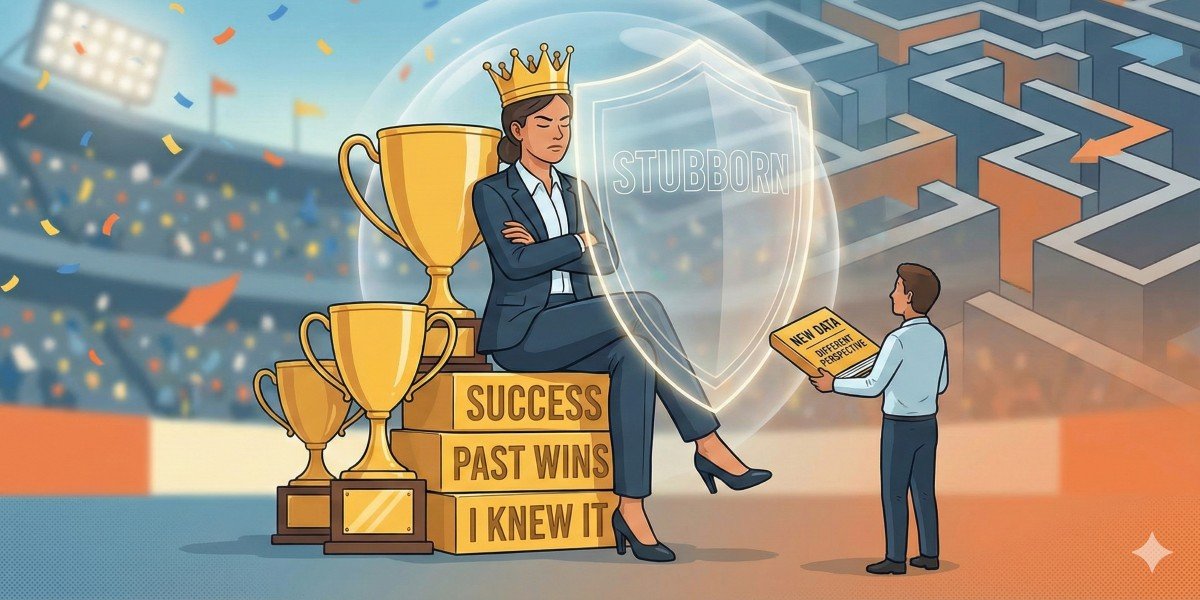
The human brain loves to feel correct. When a person makes a choice, and that choice leads to a good result, something strange happens inside their mind. Instead of thinking they were lucky, they often start to believe they are experts. This is a common psychological trap. In the world of business, sports, or even daily life, winning often makes people more stubborn than they were before.
A smart friend would explain that success can actually be a dangerous teacher. It makes the past look like a simple, clear story, even when it was actually messy and uncertain. To stay smart and keep growing in 2026, it helps to understand why a good outcome often leads to a closed mind.
The “I Knew It All Along” Trick
When a person is in the middle of making a big decision, they usually feel at least a little bit of doubt. They wonder if they are making a mistake, they worry about the risks, and they consider different options. This doubt is healthy because it keeps the brain open to new information.
However, once a good outcome happens, the brain performs a “rewriting” trick. It goes back into the memory and deletes the feelings of doubt. The person forgets they were ever worried. They tell themselves that the win was inevitable. They start to say, “I knew it all along.”
This is known as hindsight bias. It creates a false sense of confidence. Because the person “knew” they would win this time, they believed they would definitely win next time too. This makes them less likely to listen to warnings or look at new data. Their belief in their own judgment becomes hard like a stone.
The Trap of Outcome Bias
People often judge the quality of a decision based on the final result. If a person buys a house that doubles in price, everyone says it was a “great decision.” If the house loses value, people say it was a “bad decision.”
This is actually a mistake in logic. A decision should be judged by the information the person had at the time, not by what happened later. Sometimes, people make terrible, risky decisions but get lucky and win anyway.
For example, think about a driver who speeds through a red light but doesn’t get into an accident. In their mind, they might think, “I am such a good driver that I can handle red lights.” Because the outcome was fine, they stopped questioning the danger of their choice. They become stubborn about their bad habit because they haven’t faced a consequence yet. In 2026, as technology and markets move faster, this habit of “resulting” can lead to very expensive mistakes.
Why Success Becomes a Wall
When someone is successful for a long time, they build a “system” in their head. They believe they have found the secret code for how the world works. This system becomes a part of their identity.
If a new person comes along and says, “The world has changed, and your system is broken,” the successful person often feels attacked. They don’t just see it as a different opinion; they see it as a threat to their status. They point to their past wins as proof that they are right.
This is why many big companies fail when new technology appears. The leaders are so stubborn about the methods that made them rich in the past that they cannot see the future clearly. They are trapped by their own winning history. They stop being students and start being “preachers” of their own old ideas.
The Problem of “Pure Luck”
The hardest thing for a winner to admit is that luck played a part in their success. It is much more comfortable to believe that a win happened because of hard work and high intelligence. While skill is important, the world is full of random events that no one can control.
When a person wins because of a lucky accident but believes it was all skill, they stop learning. They don’t look for ways to improve because they think they are already at the top. This makes them very fragile. The moment their luck runs out, they don’t know how to fix their mistakes because they never admitted they could make any.
How to Stay Flexible
A smart friend would suggest a few ways to keep winning without becoming stubborn. It requires a lot of honesty and a little bit of work.
Keep a Decision Journal: When making a big choice, a person should write down exactly what they are thinking, what they are afraid of, and why they are choosing this path. After the result happens, they can read the journal. It will remind them that they were actually quite unsure, which keeps them humble.
Focus on the Process: Instead of asking, “Did I win?”, a person should ask, “Did I make a good choice with the information I had?” If the process was good, the win is a bonus. If the process was bad but they won anyway, they should recognize it as a “lucky escape” rather than a sign of genius.
Invite a “Challenger”: Smart leaders often hire people specifically to tell them why they might be wrong. By listening to different views, they break down the wall of stubbornness before it gets too high.
Winning feels great, but it can make the mind heavy and slow. By remembering that every win has a bit of luck and that every past decision was once a guess, a person can stay fast, flexible, and ready for whatever comes next.