
Introduction: Stadiums Beyond the Game
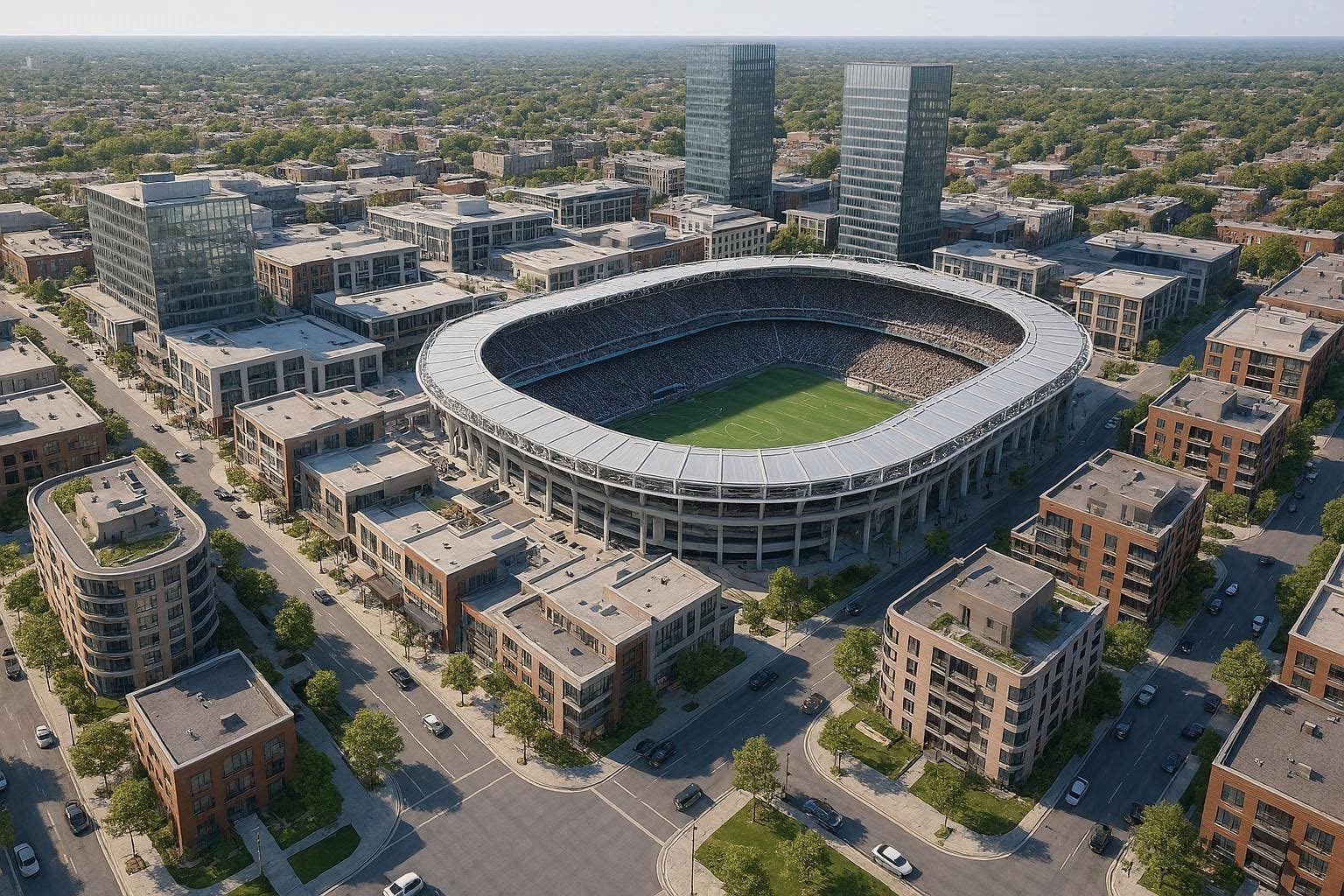
Sports venues are undergoing a profound transformation. Once designed primarily as sites for athletic competition, stadiums are now evolving into multi-purpose real estate ecosystems. Leaders in the industry are shifting from traditional stadium management to mixed-use development, integrating retail, hospitality, and digital engagement platforms into their operations.
This trend reflects a broader sports business revolution: stadiums are no longer just event sites but hubs for continuous engagement, commerce, and cultural identity. For Changwon, home of the NC Dinos baseball team, the implications are significant. Local stadiums could evolve into districts that blend sports, commerce, and digital fan experiences, reshaping how communities interact with their teams.
Context: From Stadiums to Districts
Traditionally, stadiums were designed to host games and occasional concerts. Their economic impact was limited to ticket sales, concessions, and sporadic tourism. Today, venue leaders are reimagining stadiums as anchors for mixed-use districts.
Recent reporting highlights projects where stadiums are surrounded by retail complexes, hotels, restaurants, and entertainment venues. Digital platforms extend engagement beyond game day, offering fans interactive experiences year-round. The stadium becomes the centerpiece of a broader ecosystem, generating continuous revenue and cultural activity.
Industry Trend: Continuous Engagement
The shift toward real estate ecosystems reflects several industry trends:
- Diversification of Revenue: Teams and venue operators seek income beyond ticket sales, tapping into retail, hospitality, and real estate development.
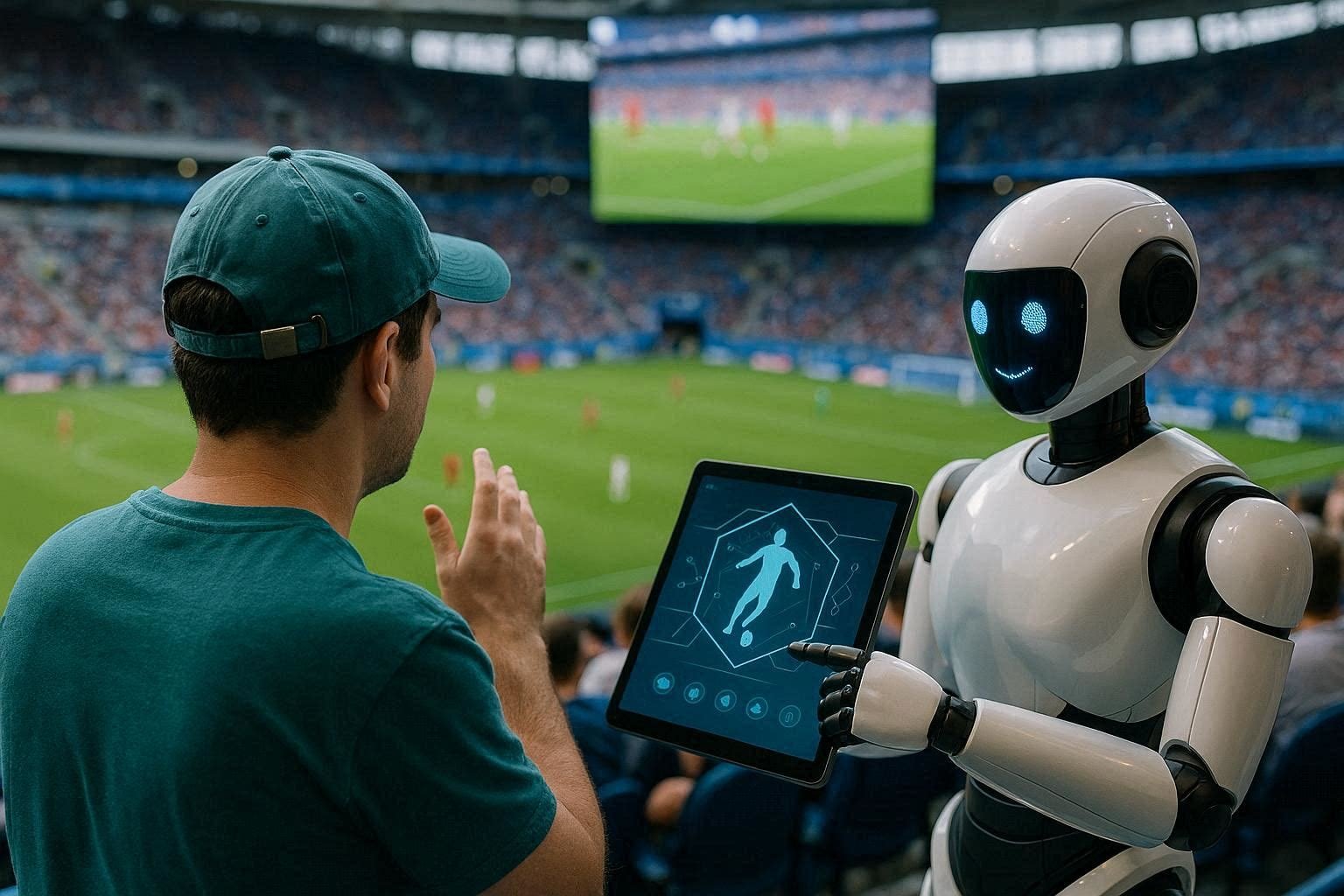
- Digital Integration: Platforms for streaming, social media, and fan apps extend engagement beyond physical attendance.
- Urban Development: Stadiums are positioned as catalysts for regional growth, attracting investment and tourism.
- Cultural Anchors: Venues serve as symbols of identity, blending sports with lifestyle and community experiences.
This transformation aligns with global practices. In the United States, developments like The Battery Atlanta (home of the Braves) and LA Live (adjacent to the Lakers’ arena) illustrate how stadiums can anchor entertainment districts. In Asia, Tokyo Dome City demonstrates how sports venues can integrate leisure, shopping, and tourism.
Case Study: NC Dinos and Changwon
Changwon’s NC Dinos already enjoy strong local support, with their stadium serving as a focal point for community pride. Yet the potential exists to expand beyond baseball. By integrating retail, dining, and digital platforms, Changwon could transform its stadium into a multi-purpose district.
Imagine a venue where fans attend a game, shop at nearby stores, dine at themed restaurants, and engage with digital platforms offering real-time stats and interactive experiences. Hotels and convention spaces could attract visitors year-round, while esports and cultural festivals diversify programming. The stadium becomes not just a sports site but a lifestyle hub.
Behavioral and Cultural Angle: Fans as Residents
The transformation of stadiums into ecosystems reflects changing fan behavior. Audiences increasingly seek immersive experiences that blend physical and digital engagement.
- Multi-Platform Consumption: Fans watch games live while interacting on apps and social media.
- Lifestyle Integration: Stadium districts offer shopping, dining, and entertainment, embedding sports into daily routines.
- Community Identity: Venues serve as cultural anchors, reinforcing local pride and regional branding.
For Changwon, this means the NC Dinos’ stadium could evolve into a space where fans are not just spectators but participants in a broader cultural ecosystem.
Educational Insight: Why This Matters for Changwon
For readers in Changwon, the trend offers a case study in how sports infrastructure intersects with urban development and cultural identity.
Key insights include:
- Economic Impact: Mixed-use districts generate continuous revenue, supporting local businesses and tourism.
- Cultural Value: Stadiums become symbols of identity, blending sports with lifestyle and community engagement.
- Digital Literacy: Understanding how platforms shape fan behavior is essential for interpreting sports’ cultural impact.
- Urban Policy: Local governments must balance investment, accessibility, and sustainability in developing stadium districts.
For a deeper look at how digital infrastructure is shaping stadiums and community culture in South Gyeongsang, see Digital Engagement Infrastructure in South Gyeongsang: Smart Stadiums and Community Sports Culture.
Challenges and Considerations
While the transformation offers opportunities, it also raises challenges:
- Financial Risk: Large-scale development requires significant investment and long-term planning.
- Accessibility: Ensuring that stadium districts remain inclusive for all citizens is essential.
- Sustainability: Environmental impact must be considered, with emphasis on green design and energy efficiency.
- Cultural Balance: Stadiums must serve both commercial interests and community identity, avoiding over-commercialization.
For Changwon, careful planning will be required to ensure that stadium ecosystems benefit both fans and residents.
Global Examples: Lessons for Korea
Several international projects offer lessons:
- The Battery Atlanta (USA): A mixed-use district anchored by the Braves’ stadium, featuring retail, dining, and residential spaces.
- LA Live (USA): An entertainment complex adjacent to the Lakers’ arena, integrating hotels, restaurants, and digital platforms.
- Tokyo Dome City (Japan): A multi-purpose district blending sports, shopping, and cultural attractions.
These examples demonstrate how stadiums can anchor ecosystems that generate continuous engagement and economic growth.
Broader Implications: Sports as Urban Strategy
The evolution of stadiums into ecosystems reflects a broader shift in urban strategy. Sports venues are no longer isolated sites but integrated into city planning. They serve as catalysts for development, attracting investment and shaping cultural identity.
For Korea, this trend aligns with the Ministry of Culture, Sports and Tourism vision of positioning the nation as a cultural superpower. Stadium ecosystems blend sports, commerce, and digital engagement, reinforcing Korea’s global cultural footprint.
Conclusion: Changwon’s Opportunity
Sports venues are becoming real estate ecosystems, transforming from traditional stadiums into multi-purpose districts that blend sports, commerce, and digital engagement. For Changwon, home of the NC Dinos, this trend offers an opportunity to reimagine its stadium as a cultural and economic hub.
By integrating retail, hospitality, and digital platforms, Changwon could create a district that serves fans, residents, and visitors year-round. The stadium becomes not just a site for baseball but a symbol of community identity and urban innovation.
For Changwon readers, the lesson is clear: sports infrastructure is not just about games—it is about shaping cultural narratives, driving economic growth, and positioning cities on the global stage. Stadiums as ecosystems represent the future of sports, and Changwon has the opportunity to lead that transformation.