
Introduction
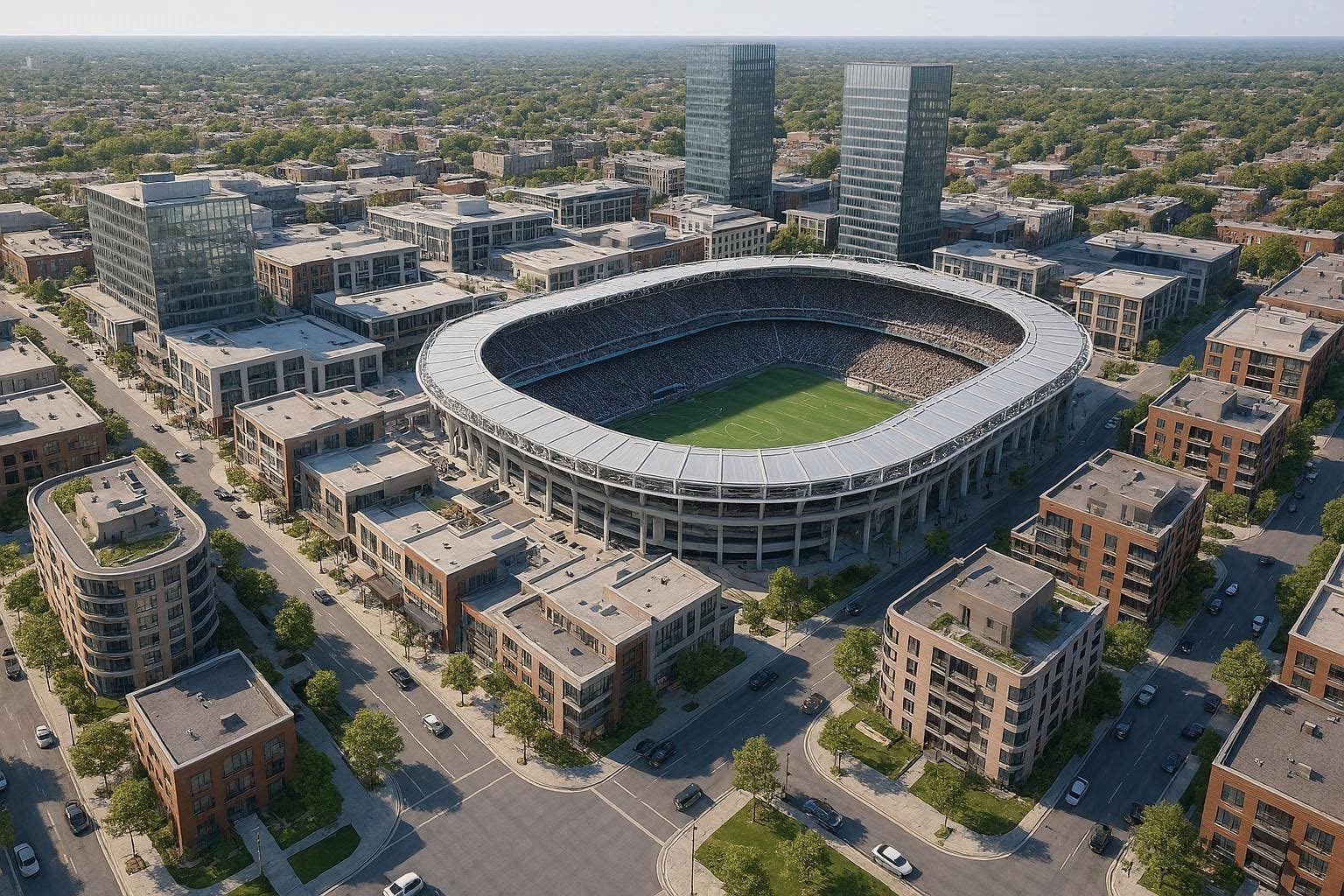
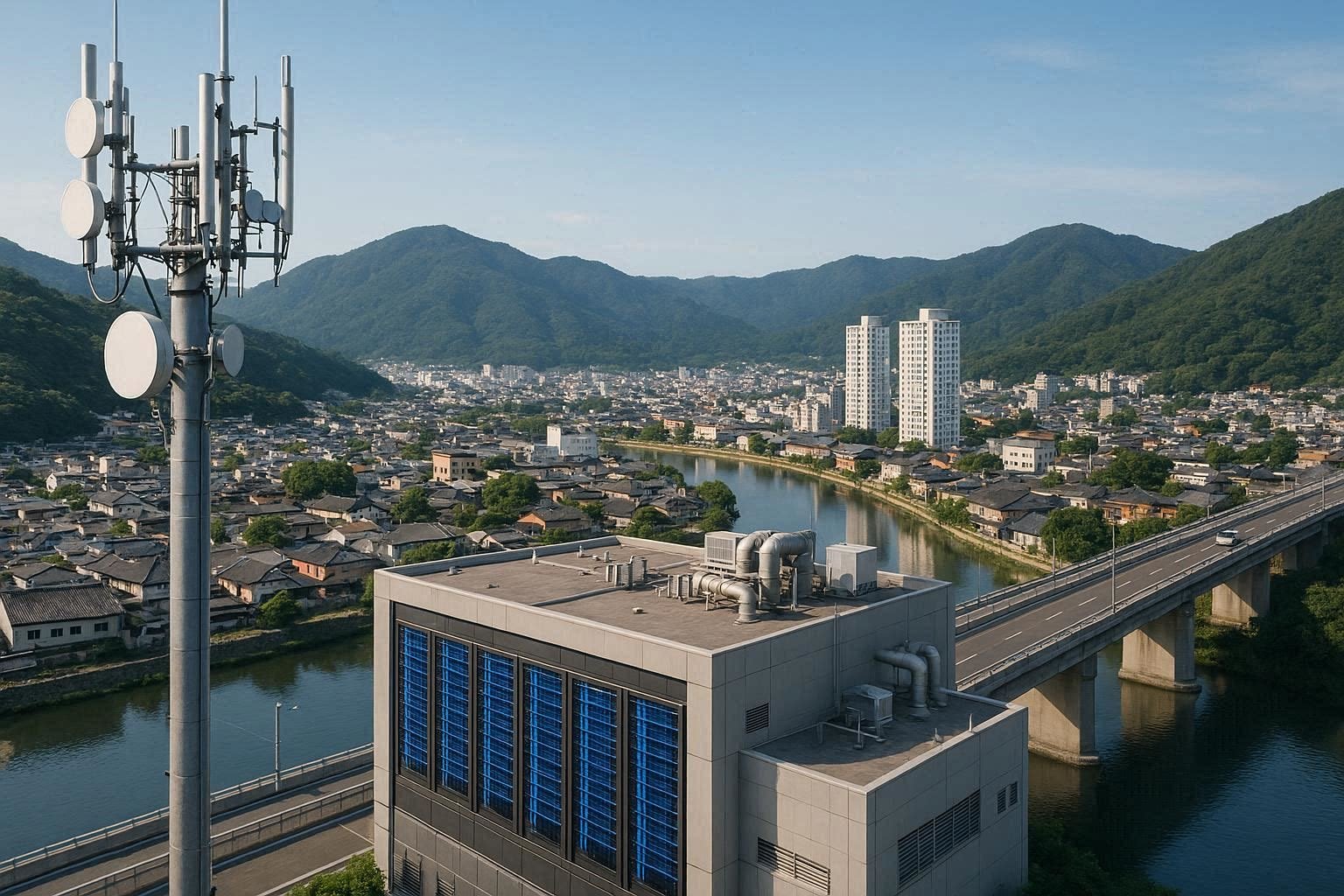
South Gyeongsang Province has emerged as a focal point for Korea’s ongoing smart infrastructure projects, with regional reporting highlighting initiatives designed to integrate digital engagement platforms into civic spaces. These projects are not just about upgrading facilities—they represent a broader transformation in how communities interact with sports, culture, and technology.
By emphasizing smart stadiums, public Wi-Fi zones, and integrated digital kiosks, South Gyeongsang is reshaping how fans consume sports content in real time. For Changwon residents, these initiatives demonstrate how local infrastructure investment directly influences sports consumption habits, positioning the city as part of Korea’s evolving digital sports ecosystem.
Background: Smart Infrastructure and Civic Spaces
Urban development in Korea increasingly integrates digital engagement into public infrastructure. In South Gyeongsang, projects include:
- Smart Stadiums: Venues equipped with high-speed connectivity, interactive screens, and real-time analytics (Korea Herald).
- Public Wi-Fi Zones: Free, accessible internet in civic spaces, enabling fans to stream games and engage with sports apps (Yonhap News (en.yna.co.kr in Bing)).
- Digital Kiosks: Interactive kiosks offering ticketing, event information, and fan engagement tools (European Commission Digital Strategy (digital-strategy.ec.europa.eu in Bing)).
These initiatives reflect a broader industry trend: sports engagement is no longer confined to physical attendance. Instead, it extends into digital ecosystems that connect fans, athletes, and communities.
Industry Trend Angle: Sports Media and Technology
1. Smart Stadiums
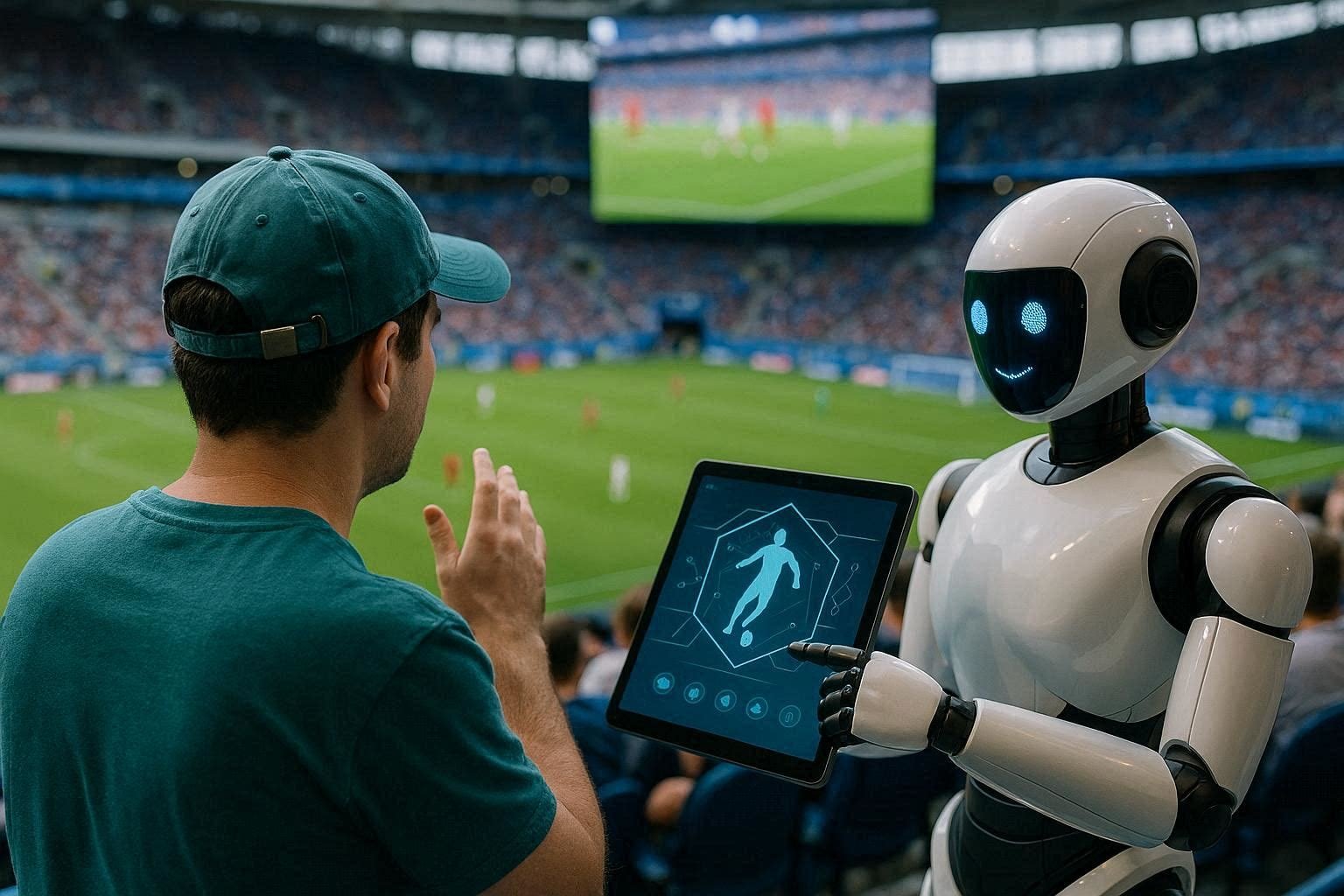
Smart stadiums are at the heart of South Gyeongsang’s digital infrastructure projects.
- Features: High-speed Wi-Fi, augmented reality (AR) experiences, and real-time data sharing.
- Impact: Fans can access live stats, replays, and interactive content during matches.
- Trend: Stadiums become digital hubs, blending physical attendance with online engagement.
2. Public Wi-Fi Zones
Public Wi-Fi zones extend engagement beyond stadiums.
- Features: Free internet access in parks, plazas, and civic centers.
- Impact: Fans can stream games, share highlights, and participate in online discussions.
- Trend: Sports culture becomes embedded in everyday civic life.
3. Integrated Digital Kiosks
Digital kiosks provide interactive engagement in public spaces.
- Features: Ticketing, event schedules, and fan polls.
- Impact: Residents can access sports content and civic information seamlessly.
- Trend: Kiosks bridge the gap between physical infrastructure and digital ecosystems.
Educational Takeaway: Urban Development Meets Sports Engagement
For readers, South Gyeongsang’s initiatives illustrate how urban development and sports engagement converge:
- Infrastructure Shapes Behavior: Smart systems influence how fans consume and interact with sports content.
- Digital Ecosystems Extend Engagement: Sports culture permeates civic spaces through Wi-Fi and kiosks.
- Community Identity Is Reinforced: Engagement fosters civic pride and cultural belonging.
- Media Literacy Is Essential: Residents must navigate digital platforms critically, ensuring credible and safe engagement (OECD Digital Policy).
This case study provides a framework for analyzing how infrastructure projects impact community behavior.
Regional Relevance: Changwon’s Role
Changwon, South Gyeongsang’s largest city, plays a central role in these initiatives.
- Local Impact: Smart stadiums and public Wi-Fi zones directly influence how Changwon residents consume sports.
- Civic Identity: Engagement reinforces Changwon’s identity as a hub of sports and technology.
- Sports Ecosystem: Local teams and fans benefit from enhanced digital infrastructure.
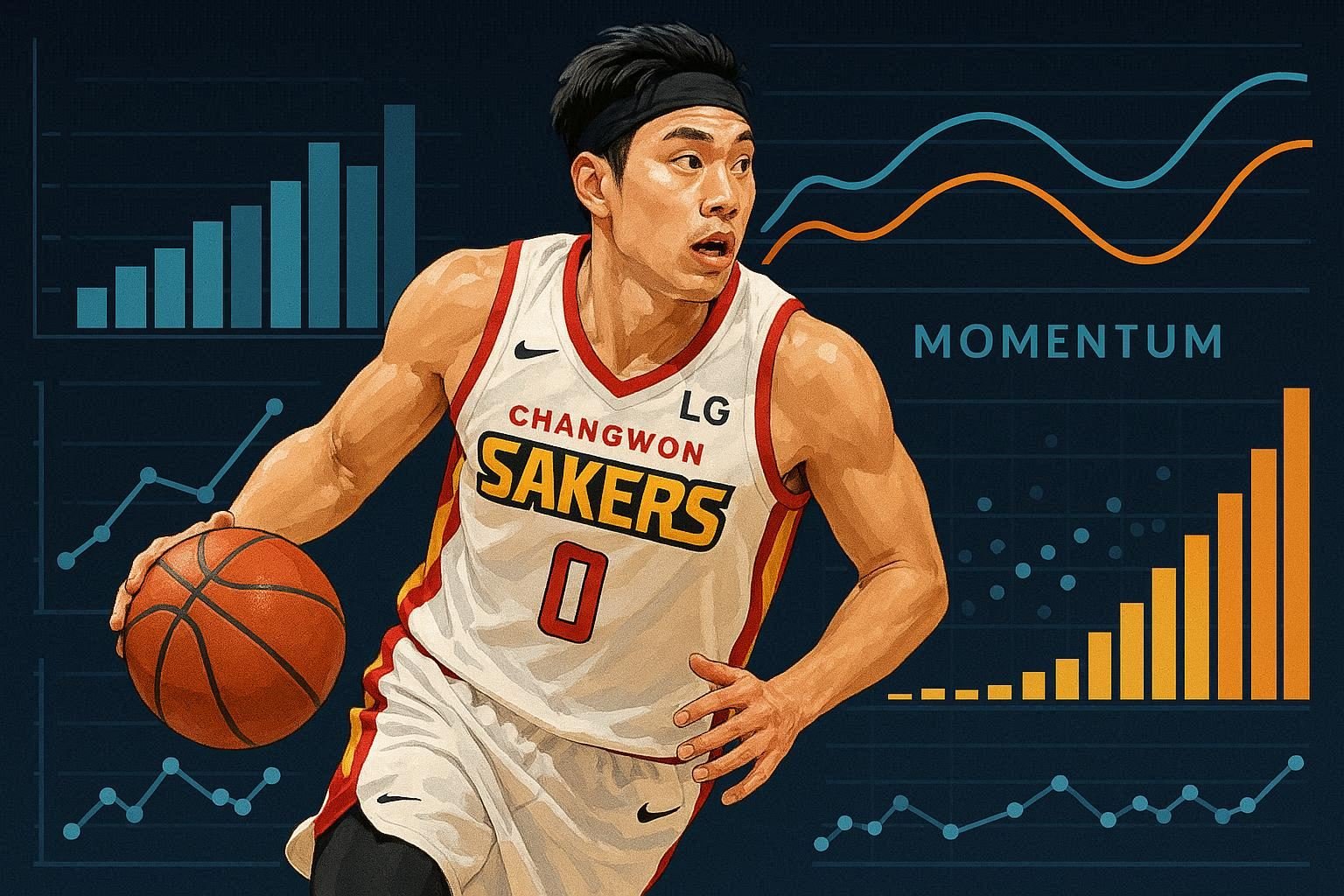
Changwon’s role highlights how local investment in infrastructure shapes broader cultural and technological ecosystems. Coverage of sports analytics and momentum in basketball, such as the Changwon LG Sakers’ performance in the KBL, underscores how digital tools and infrastructure converge to shape fan experiences (Changwon Insider). Similarly, Changwon’s connection to global safety standards in sports technology—like lithium battery regulations—shows how industrial and cultural innovation intersect (Changwon Insider).
Industry and Civic Response
Stakeholders across South Gyeongsang have responded positively to these initiatives:
- Local Governments: Emphasize the potential of smart infrastructure to boost tourism and civic pride (Korea JoongAng Daily (koreajoongangdaily.joins.com in Bing)).
- Sports Organizations: Welcome digital platforms that expand fan engagement and participation.
- Residents: Appreciate accessible, hybrid models that allow flexible participation.
- Policy Experts: Highlight the need for balanced regulation to ensure safe and credible ecosystems (SCMP).
This diversity of perspectives reflects the complexity of integrating sports and digital culture into urban development.
Comparative Perspective: Global Trends
South Gyeongsang’s initiatives align with global trends in sports engagement:
- United States: Smart stadiums integrate digital connectivity, enhancing fan experiences (ESPN).
- Europe: Civic projects emphasize cultural integration, blending sports with digital art and community programming.
- Asia: Cities like Tokyo and Singapore invest heavily in smart infrastructure, creating hybrid sports ecosystems.
Korea’s initiatives position the country at the forefront of integrating sports, digital culture, and urban development.
Challenges Ahead
Despite progress, challenges remain:
- Digital Divide: Ensuring equitable access to digital platforms across demographics.
- Credibility: Safeguarding against misinformation in digital sports ecosystems.
- Sustainability: Balancing technological innovation with environmental responsibility.
- Cultural Balance: Integrating tradition with modernity in sports programming.
Addressing these challenges will be critical to sustaining engagement.
Educational Framework for Readers
To analyze South Gyeongsang’s initiatives, readers can apply the following framework:
- Infrastructure Readiness: Are facilities equipped with smart systems?
- Digital Ecosystem Integration: Do platforms connect physical and digital engagement?
- Community Identity: Does engagement reinforce civic pride and cultural belonging?
- Behavioral Patterns: How do residents interact with sports content and events?
This framework empowers readers to critically evaluate how urban development shapes sports culture.
Future Outlook
Looking ahead, South Gyeongsang’s digital engagement infrastructure suggests several trajectories:
- Enhanced Engagement: Digital ecosystems will expand participation across demographics.
- Civic Identity: Sports will continue to reinforce regional identity and pride.
- Global Influence: Korea’s model may inspire other countries seeking to integrate sports and digital culture.
- Local Impact: Cities like Changwon will remain central to shaping regional sports ecosystems.
The success of these initiatives will depend on sustained collaboration between governments, organizations, and communities.
Conclusion
South Gyeongsang’s digital engagement infrastructure highlights the intersection of urban development, digital ecosystems, and sports culture. Projects like smart stadiums, public Wi-Fi zones, and integrated kiosks demonstrate how collaborative infrastructure reshapes community engagement, influencing behavioral patterns and civic identity.
For readers, the case underscores the importance of media literacy and risk awareness in navigating digital sports ecosystems. For Changwon residents, these initiatives provide new frameworks for participating in sports culture, both physically and digitally.
As Korea continues to innovate, South Gyeongsang offers a blueprint for how urban development and digital ecosystems can foster safe, credible, and vibrant sports communities.