
Introduction: A New Era of Sports Technology
April 2026 industry reports highlight a striking transformation in the sports world: artificial intelligence (AI) and interactive fan technologies are reshaping both professional and amateur athletics. From AI-based athlete performance analytics to personalized fan apps and viewing companions, teams and leagues are investing heavily in data-driven engagement tools.
This shift reflects a broader sports business trend: technology ecosystems are no longer peripheral but central to how athletes train, recover, and perform, and how fans consume and interact with the game. For Changwon and the wider Gyeongsangnam-do region, where grassroots sports festivals thrive, these innovations suggest new possibilities for community-level analytics and fan education.
Context: Innovations in April 2026 Reports
Recent reports detail several key innovations:
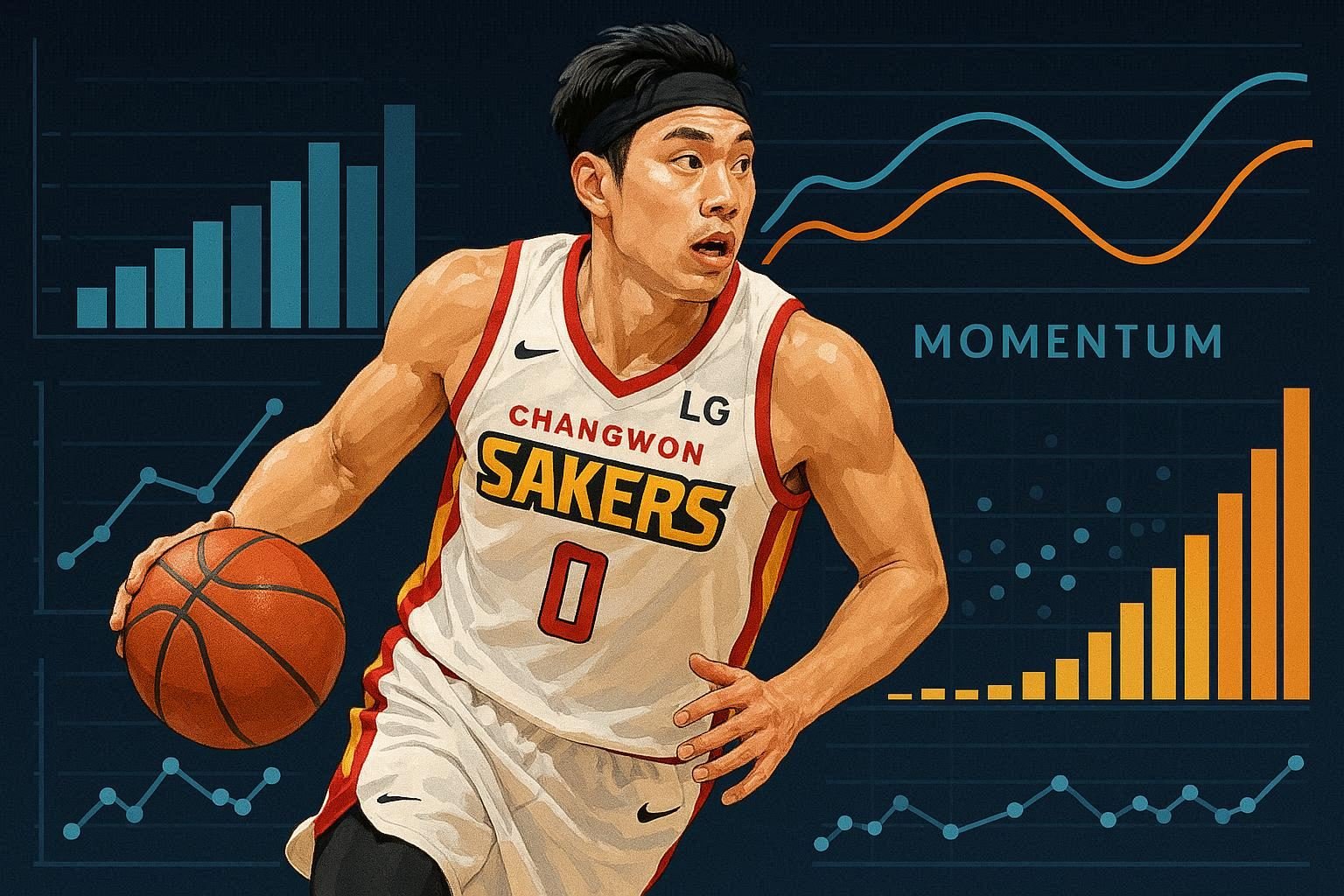
- AI Performance Analytics: Algorithms track athlete biometrics, movement efficiency, and fatigue levels, offering coaches real-time insights into training and recovery.
- Interactive Fan Apps: Platforms allow fans to access live performance metrics, compare athletes, and engage in predictive games during matches.
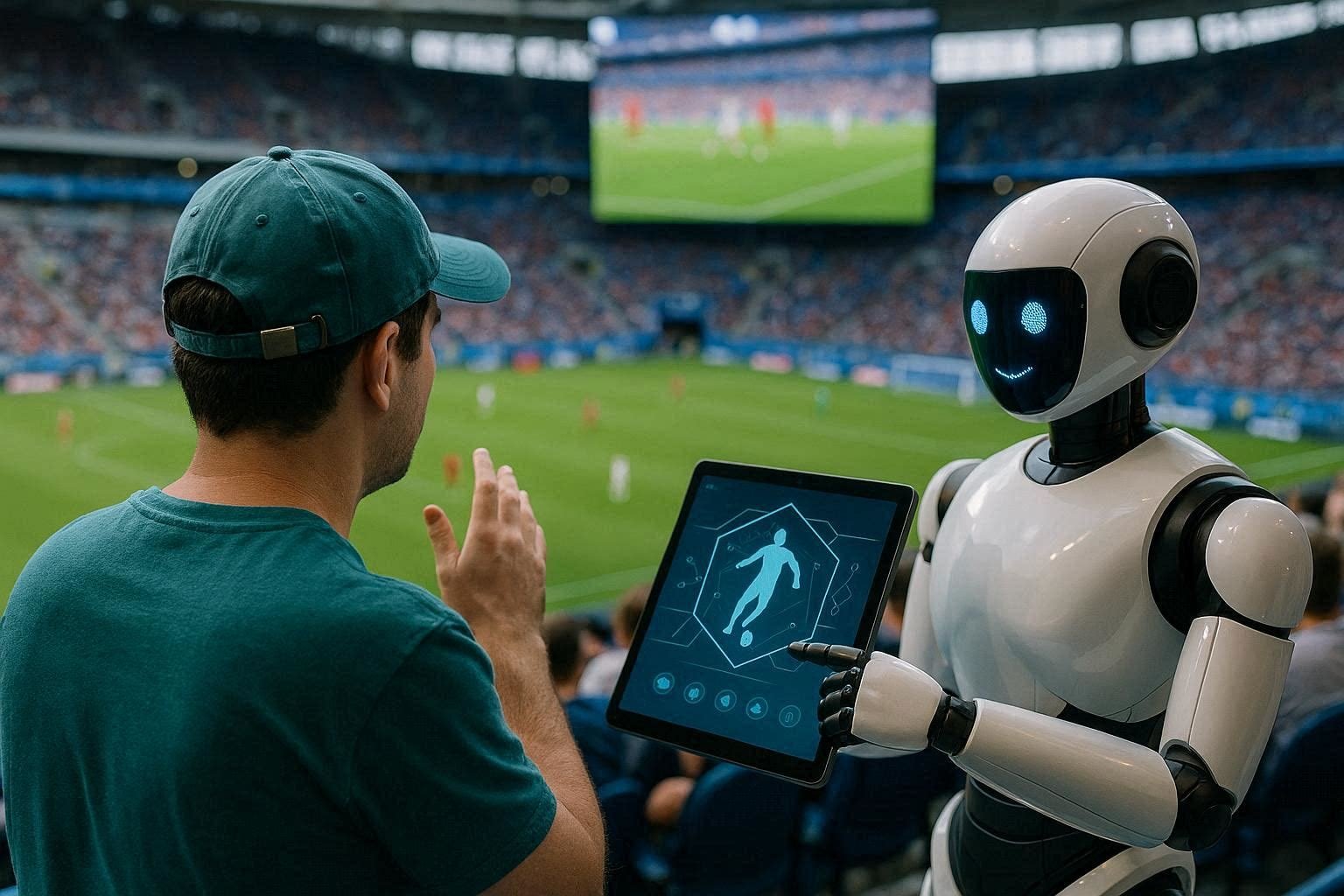
- Personalized Viewing Companions: AI-driven assistants tailor broadcasts to individual preferences, highlighting favorite players, offering tactical breakdowns, and even suggesting merchandise.
Together, these tools create a seamless ecosystem where athletes optimize performance and fans experience deeper, more personalized engagement.
Industry Trend: Data-Driven Engagement
The integration of AI and interactive technology reflects several industry-wide trends:
- Real-Time Metrics: Fans can track speed, stamina, and tactical decisions as they happen, blurring the line between spectator and analyst.
- Athlete Recovery: AI systems monitor workload and recommend individualized recovery strategies, reducing injury risks and extending careers.
- Fan Personalization: Viewing companions adapt to fan interests, offering curated highlights and interactive features.
- Commercial Expansion: Data-driven platforms open new revenue streams through targeted advertising, merchandise integration, and subscription services.
This transformation positions sports not just as events but as continuous, interactive experiences.
Case Study: NC Dinos and Changwon
For Changwon’s NC Dinos, AI and interactive fan technology could redefine the baseball experience. Imagine fans at Changwon NC Park using apps that display real-time pitching velocity, batting analytics, and defensive positioning. Personalized viewing companions could highlight favorite players, while predictive games allow fans to guess outcomes and earn rewards.
On the athlete side, AI-driven analytics could monitor player fatigue, optimize training loads, and enhance recovery protocols. The result is a holistic ecosystem where performance and engagement are intertwined.
Behavioral and Cultural Angle: Fans as Analysts
These innovations reflect changing fan behavior. Audiences increasingly seek immersive, data-rich experiences that go beyond passive viewing.
- Active Participation: Fans become analysts, interpreting metrics and engaging in tactical debates.
- Community Interaction: Apps and platforms foster digital communities, where fans share insights and predictions.
- Cultural Narratives: Data-driven highlights shape how performances are remembered, often emphasizing analytics alongside traditional storytelling.
For Changwon, this means fans at grassroots festivals could access analytics once reserved for professionals, deepening their connection to the sport.
Educational Insight: Why This Matters for Changwon
For ChangwonInsider readers, the rise of AI and interactive fan technology offers a case study in how sports ecosystems intersect with education, community, and cultural identity.
Key insights include:
- Grassroots Application: Community-level sports festivals could use AI tools to track performance, educate participants, and enhance engagement.
- Fan Education: Interactive platforms teach fans to interpret metrics, fostering media literacy and analytical skills.
- Cultural Integration: Technology embeds sports into daily life, reinforcing local identity and pride.
- Policy Implications: Local governments and sports organizations must consider investment in digital infrastructure to ensure accessibility.
For a deeper look at how Korea is adopting these tools, see AI-Powered Sports Analytics Tools Gain Ground in Korea.
Challenges and Considerations
While the expansion of AI and interactive technology offers opportunities, it also raises challenges:
- Data Privacy: Athlete and fan data must be protected, with clear policies on usage and consent.
- Accessibility: Ensuring that technology is available to all fans, not just those with advanced devices, is essential.
- Over-Commercialization: Balancing engagement with commercial interests is critical to maintaining authenticity.
- Cultural Adaptation: Integrating technology into grassroots festivals requires sensitivity to local traditions and community values.
For Changwon, careful planning will be required to ensure that technology enhances rather than disrupts community sports culture.
Global Examples: Lessons for Korea
Several international projects illustrate the potential of AI and interactive fan technology:
- NBA Smart Arenas (USA): Venues equipped with AI-driven analytics and fan apps, offering personalized experiences. NBA Smart Arenas
- Premier League Digital Platforms (UK): Interactive apps provide fans with real-time stats, tactical breakdowns, and predictive games. Premier League Digital Transformation
- J.League Innovations (Japan): AI tools monitor player performance while fan apps deliver curated highlights and interactive features. J.League AI-Powered In-App Stories
These examples demonstrate how technology ecosystems can enhance both professional performance and fan engagement.
Broader Implications: Sports as Technology Ecosystems
The expansion of AI and interactive fan technology reflects a broader shift in how sports are conceptualized. They are no longer isolated events but integrated ecosystems that blend performance, engagement, and commerce.
For Korea, this trend aligns with national strategies to position the country as a leader in digital innovation. By investing in sports technology, Korea can strengthen its global cultural footprint while enhancing local community engagement.
Conclusion: Changwon’s Opportunity
AI and interactive fan technology are expanding rapidly, transforming sports into ecosystems that blend performance analytics, fan engagement, and digital innovation. For Changwon, home of the NC Dinos and a hub for grassroots sports festivals, this trend offers an opportunity to reimagine both professional and community-level sports.
By integrating AI-driven analytics and interactive platforms, Changwon could create a sports culture that educates fans, empowers athletes, and strengthens community identity. The stadium becomes not just a site for games but a hub for continuous engagement and learning.
For Changwon readers, the lesson is clear: sports technology is not just about innovation—it is about shaping cultural narratives, driving education, and positioning communities on the global stage. AI and interactive fan tools represent the future of sports, and Changwon has the opportunity to lead that transformation.